
Our mental and spiritual wellbeing are often more connected than we realise. As Muslims, our faith can offer us moments of reflection, comfort and connection with Allah, even in the middle of life's most overwhelming seasons.
Yet, there is a misconception among some Muslims that seeking mental health support exists separately from our faith. In reality, caring for our emotional wellbeing and nurturing our relationship with Allah can go hand in hand.
From reflecting on the Qur'an to making time for dua and dhikr, there are beautiful ways to weave spiritual practices into our everyday routines. Here are some ways to make faith a meaningful part of our mental health journey.
Looking for someone to confide in without judgment? Book a free call with Maryam Support Line today.
1 - Make Space for Qur'an Reflection
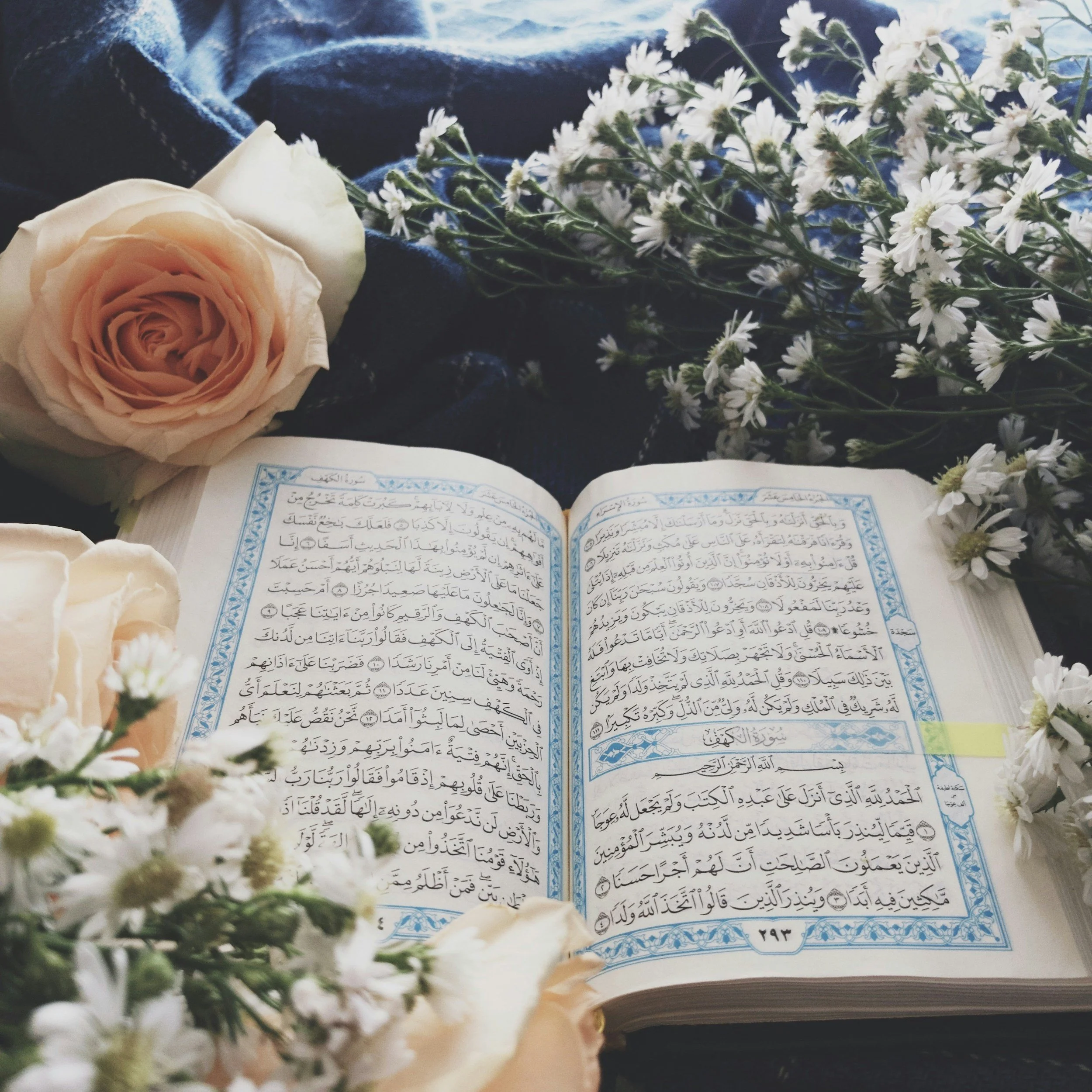
Many of us use the Qur’an to recite its sacred words in Arabic without reflecting on what Allah is saying to us. And although Qur’an recitation is a beautiful act of worship and a means of great reward, we tend to miss out on the guidance Allah gives us and the ways in which we can apply it to our own lives. Allah sent us the Qur’an as a mercy and healing, here are other ways we can use it to soothe us and support our mental health:
- Listen to the Qur’an - there is a profound feeling of ease that comes from listening to the Qur’an. Whether that’s whilst you’re cleaning, or driving, listening to the words of Allah provides immense comfort. In fact, some studies, Ismail, S. et al. (2021) and Vaghefi, M. et al. (2015), have found that listening to Quranic verses increases alpha and theta brainwave oscillations, inducing a meditative state and deep relaxation. Not only is this a way to seek closeness to Allah and His reward but it’s also a beautiful practice to incorporate into your mental health routine.
- Use Qur’an verses to shift your perspective - Allah provides many statements in the Qur’an that remind us of His care and provision. Using them as part of your daily reminders anchors the heart in trust and reliance on Him, whilst also soothing any anxiety or stress you may be experiencing. Reading the translation and reflecting on what Allah is saying to you can shift your perspective during difficult times.

For example:
- “Indeed, after hardship there is ease” (94:6) - for the days that feel heavy, this verse acts as a light reminding us that the hardship is temporary and relief is closer than we can see.
- “Allah is sufficient for us and He is an excellent trustee” (3:173) - for the days you feel overpowered and need to anchor your heart in the remembrance of the One who has control over everything.
- “We are closer to him than his jugular vein”. (50:16) - for the days you feel lonely and misunderstood. Allah is closer to you than you think, He knows and understands.
- “So let not their speech grieve you. Indeed, We know what they conceal and what they declare”. (36:76) - for the moments where the words and actions of others hurt you. Allah is just and nothing you feel is unseen to Him.
- “So remember Me, I will remember you. Be grateful to Me”. (2:152) - for the days you feel abandoned or neglected. It reminds you that when you remember your Lord, He remembers you too. You are not forgotten even if it feels like it.
- If you have some extra time, you could write down your favourite verses and place them in a jar. Making them your go to verses for the days you feel heavy! You can also find pre-made Qur’an jars online!
Need a caring ear to listen during tough times? Book a free call with Maryam Support Line today.

2 - Spend longer on your prayer mat
It’s easy to rush through our salah and leave the prayer mat as soon as we finish praying. The world demands every piece of us making it difficult to slow down. Spending longer on your prayer mat is a simple and effective way of supporting your mental health. You can do this by slowing down as you pray your salah or by sitting on your prayer mat to reflect after you’ve prayed.
Slowing down - Moving slowly and mindfully can help some people feel more grounded and settled. During salah, you could try to intentionally raise your arms slower, move into rukoo and sujood slowly, and let your body relax as it moves through the motion. Slow down your recitation and let your tongue truly feel the weight of the words it’s whispering.
Stillness on the prayer mat - after prayer, sit with yourself. Take a deep breath in through your nose and breathe out from your mouth. Focus on your breath and allow stillness in your body. Take the extra few minutes after your prayers to reconnect with yourself and bring presence to your body. Allowing yourself to be present can also become a way of reconnecting with Allah.
The goal is not to be calmer but to be more present in your body.
3 - Make dua honestly
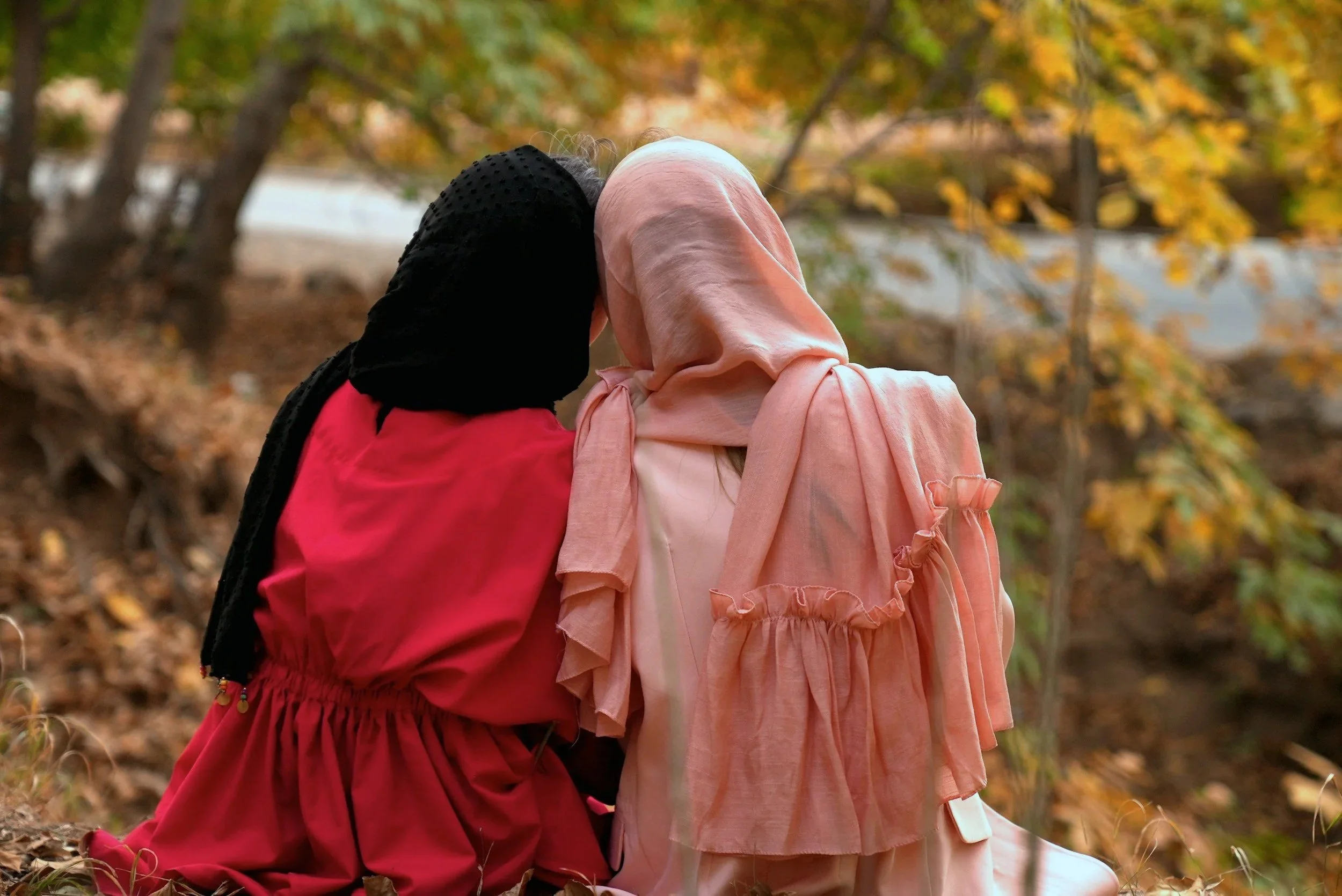
Dua isn’t just for requests we have, it’s a beautiful way to converse with Allah and surrender your wishes, desires, problems and pain to Him. Incorporating this into your mental health routine helps you acknowledge that you don’t have to experience anything alone. During dua you can express your fatigue, sadness and any emotion to Allah without any worry about being dismissed or judged. Never be afraid to tell Allah how you really feel. He is there; ready to carry your pain.
Dua has a unique way of helping you through the difficult days. Just like heartfelt conversations that make you feel seen and heard, dua can provide immense comfort and reassurance.
So next time you’re making dua, try to have a conversation with Allah. Tell Him how you feel, how your day was, what you’re scared of and what you desire. He is always there listening and seeing.
Maryam Support Line is here to offer sisterly support if you need it. Book a free call today.
4 - Find moments for dhikr and istighfar

Allah tells us in the Qur’an, “Surely in the remembrance of Allah do hearts find comfort.” (13:28). Making space in your routine for dhikr and istighfar is a beautiful way of remembering Allah and providing rest for your heart.
It doesn’t require a lot of effort and can easily be incorporated into your day, whilst you’re cooking, driving, or even whilst you’re on a walk (my favourite!). Dhikr acts as a companion, keeping you in the present moment, soothing any anxiety whilst offering a sense of calm.
To conclude:
Whilst our faith can be a profound source of comfort and strength, we don't have to navigate every difficulty through spiritual practices alone. Seeking support from a mental health professional, speaking to someone we trust and nurturing our relationship with Allah can all be part of caring for ourselves.
May Allah give us mental, physical and spiritual ease.
May He bless us with nearness to Him. Ameen.