The Role of Family in Supporting Mental Health
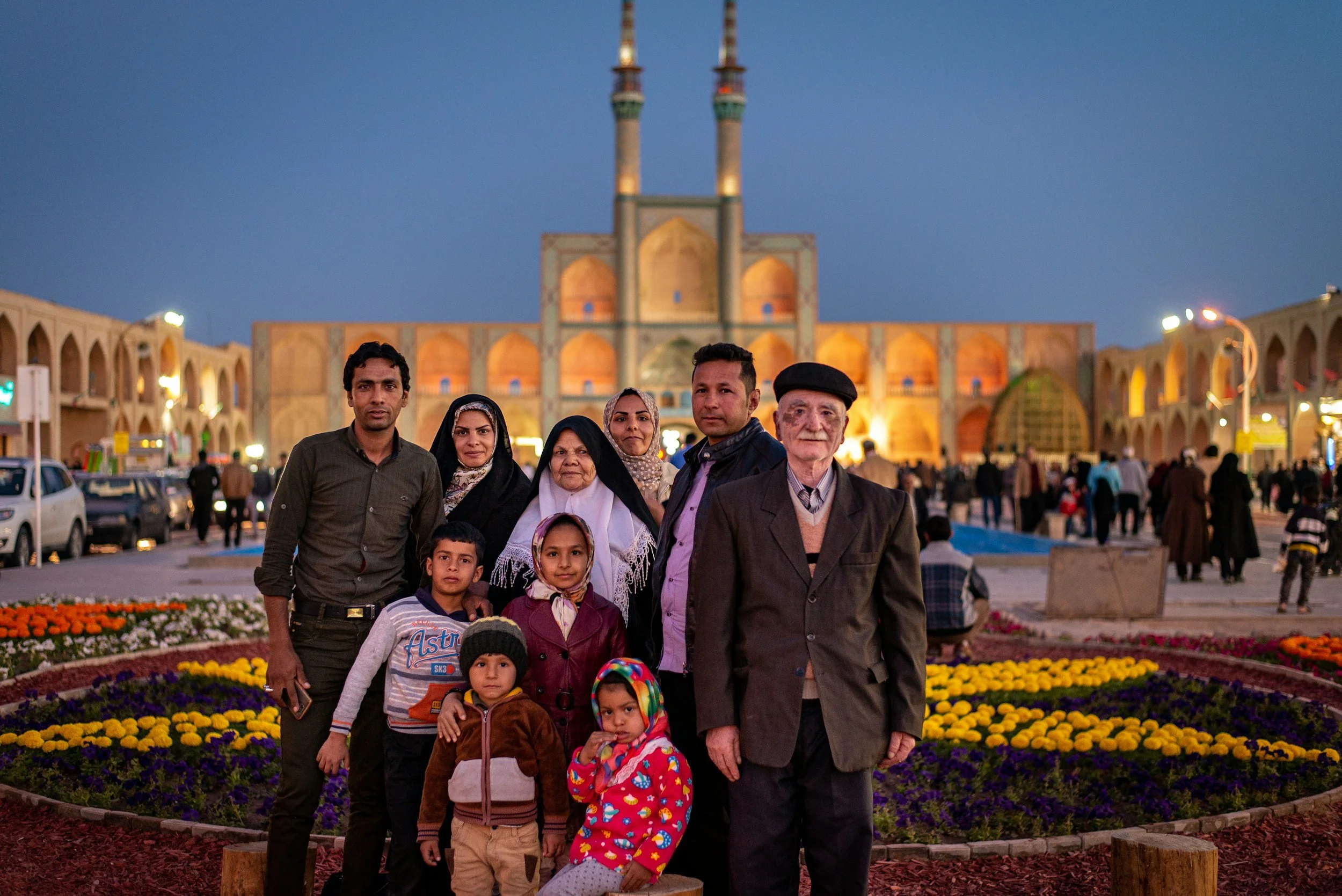
"And of His signs is that He created for you from yourselves mates that you may find tranquility in them; and He placed between you affection and mercy."
(Quran 30:21)
When the Prophet Muhammad ﷺ received his first revelation in the cave of Hira, he returned home, with the muscles between his neck and shoulders trembling, overwhelmed with fear and uncertainty. In that moment of mental distress, did our beloved Messenger ﷺ retreat into solitude? No. He ﷺ went to family. He ﷺ went to a loved one. He ﷺ rushed to his wife, Khadijah ( رضي الله عنها) and asked her to cover him, seeking the comfort and safety that only family can provide. Our own Prophet ﷺ showed us the strength it takes to be vulnerable and to confide in your loved ones when we are overwhelmed. He said “O Khadija! What is wrong with me? I was afraid that something bad might happen to me.”
Khadijah's response is a timeless lesson in how we can support our family members when they are unable to handle all the burdens themselves. She validated his emotions, reminded him of his goodness, and reassured him with words that could calm his anxious heart: "You maintain good relations with your family, you speak the truth, help the poor, you serve your guests generously, and you assist those afflicted by calamity." (Sahih al-Bukhari 4953, Book 65, Hadith 475)

Such a beautiful exchange reminds us that mental and emotional distress has always been a part of humanity’s tests and tribulations in this life. It also reminds us that we should console our family members when possible and be a source of encouragement and compassion throughout one another’s hardships, following the wondrous example of our Prophet ﷺ and Khadijah رضي الله عنها
Understanding Mental Health Through the Lens of Family
In our communities, family is often considered the foundations of society. Islam likewise places high value on family bonds, viewing them as sacred relationships that provide emotional security and practical support. We are also told to "Worship Allah and associate nothing with Him, and to parents do good, and to relatives, orphans, the needy..." (Quran 4:36) Yet despite these expectations, mental health struggles within families are too often met with silence, stigma, or indifference. Many Muslim families may still unfortunately view mental health struggles as a sign of weak faith, spiritual deficiency, or something taboo.
The reality, however, is far different. Mental health struggles whether it be anxiety, depression, loneliness, grief, or trauma affect all of us. Even our prophets (peace be upon them) themselves experienced profound emotional pain and distress. Prophet Yaqub (AS) grieved so intensely for his son Yusuf that his eyesight weakened (Quran 12:84). Prophet Yunus (AS) cried out from the depths of darkness. The Prophet Muhammad ﷺ experienced deep sadness after the deaths of his beloved wife Khadijah and his uncle Abu Talib, a year known as the "Year of Sorrow." The Prophet ﷺ even wept when his son Ibrahim died, which led one companion to ask “O Messenger of God, even you are weeping?” He ﷺ said of his emotions, that "This is mercy. The eyes shed tears, the heart grieves, and we are saddened by your departure, O Ibrahim. But we will only say that which is pleasing to our Lord" (Sahih Bukhari).
These examples teach us that emotional distress is not a reflection of weak iman, but it is merely a manifestation of the following: “And it is Allah’s Will to lighten your burdens, for humankind was created weak.” (Quran 4:28). What is most important, rather, is how we respond to these emotions and to those who are struggling, especially within our families.
The Family as a Building of Mutual Support
The Prophet ﷺ said: "A believer to another believer is like a building whose different parts enforce each other," and he clasped his hands with interlaced fingers (Sahih Bukhari & Muslim).

This hadith suggests that just as a building requires each brick to support the others, family members must actively uphold one another. When one person struggles with their mental health, the entire family has a role to play in providing support, understanding, and compassion.
The Prophetic Imperative of Mercy
"The merciful will be shown mercy by the Most Merciful. Be merciful to those on the earth and the One in the heavens will have mercy upon you" (Sunan al-Tirmidhi).
Showing mercy and patience to a family member experiencing mental distress can be a path to earning Allah's mercy. This means responding with kindness and patience rather than losing our temper, judging or dismissing our family member’s mental health struggles.
The Command to Seek Treatment
The Prophet ﷺ taught us: "Allah has not made a disease without appointing a remedy for it, except old age" (Sunan Abu Dawud).
This hadith makes clear that we can seek help for mental health struggles, whether through therapy, counseling, or medical treatment. Seeking out professional help for your family members who may be undergoing severe mental health issues can thus be a very good option. This is especially given how fortunate we are today, to have access to specifically Islamic oriented counselling and mental health services that can offer culturally sensitive care to our loved ones.

Maintaining Family Ties Even When It's Difficult
The Prophet ﷺ gave us much guidance about family relationships how it impacts mental health and our lives. "The one who maintains ties of kinship is not the one who reciprocates. Rather, the one who maintains ties of kinship is the one who, when his relatives cut him off, maintains ties with them" (Sahih al-Bukhari).
This hadith is deeply relevant to mental health support within families. It teaches us that true family support means showing up even when it's hard, showing patience and perseverance even when the person struggling with mental health pushes us away, withdraws, or seems unresponsive to our efforts. Depression and anxiety often cause people to isolate themselves or push loved ones away. This hadith reminds us not to take this personally or give up, but to continue reaching out with love and patience if possible.
The Prophet ﷺ also said: "Whoever would like his provision to be abundant and his lifespan to be extended, let him maintain ties of kinship" (Sahih al-Bukhari and Sahih Muslim).
Modern research has validated this prophetic wisdom in rather remarkable ways. Studies show that strong family connections are associated with better mental health outcomes, reduced rates of depression and anxiety, increased resilience, and even longer lifespans. A 2017 Harvard study found that people with strong close relationships and connections live longer and are happier. The Prophet ﷺ taught us this 1400 years ago, that maintaining family bonds improves our physical and mental wellbeing.

What Does Supportive Family Mental Health Care Look Like?
Based on Islamic teachings and the example of the Prophet ﷺ, here are some practical ways families can support a loved one experiencing mental health challenges:
1. Listen Without Judgment
When Khadijah listened to the Prophet's ﷺ distress, she didn't interrupt, criticise, or minimise his feelings. She gave him space to express his emotions fully. Similarly, when a family member shares their mental health struggles, we can practice active listening. Put away distractions, maintain eye contact, and resist the urge to immediately offer solutions or religious advice. Sometimes, the greatest gift we can offer is simply being present and listen with empathy.
The Islamic concept of husn al-dhann (having good assumptions about others) applies here as well. Assume the best of your loved one. Understand that their struggle is genuine, even if you cannot see or fully understand it. As noted by Yaqeen Institute for Islamic Research, practicing husn al-dhann means "giving others (and yourself!) excuses and trying to understand where your thoughts or emotions might be coming from."

2. Validate Their Emotions
One of the most powerful aspects of Khadijah's response was her validation of the Prophet's ﷺ experience. She acknowledged his feelings and then reminded him of his strengths.
Islamic teachings recognise that negative emotions are part of human nature. The Quran describes humans as naturally prone to anxiety: "Truly, man was created anxious; when evil befalls him, fretful; when good befalls him, begrudging, except for those who perform prayer" (Quran 70:19-22).
3. Encourage Both Spiritual and Professional Help
Islam teaches us to combine practical action with spiritual reliance on Allah. The Prophet ﷺ demonstrated this balance beautifully throughout his life. He made dua, but also taught us to tie our camel. We must seek Allah's help, and also take practical steps. Encourage your loved ones and family members to maintain salah, dhikr, Quran, while also supporting them in seeking professional mental health care if needed.

4. Learn from the Prophet's Relationship with His Daughter Fatima
The Prophet ﷺ had a profoundly supportive relationship with his youngest daughter, Fatima (may Allah be pleased with her). His treatment of her teaches us about family support.
He said "Fatima is a part of me, and he who makes her angry, makes me angry" (Sahih Bukhari 3714), demonstrating the deep emotional concern and protective love for his family.
When she was struggling with the hardships of life, grinding grain with her own hands and caring for her children in poverty, he came to visit her. When she and Ali were struggling with household work, he visited and gave them spiritual support.
During his final illness, he whispered to her something that made her cry (that he would soon pass away), and then something that made her laugh (that she would be the first of his family to join him). Even in his own pain, he was thinking of how to comfort her (Sahih Bukhari 3625).

5. Take Care of Yourself Too
It must be acknowledged that supporting a family member with mental health challenges can be emotionally demanding. The Prophet ﷺ taught us about balance: "Your body has a right over you, your eyes have a right over you, and your wife has a right over you" (Sahih Bukhari).
This means that while you support your loved one, you must also care for your own mental and emotional well-being. Seek support from dua to Allah, prayer, friends, community members and professionals if required. Set healthy boundaries when needed. You cannot pour from an empty cup.

When Families Struggle
Not all families are equipped to provide ideal support, and that's okay. Sometimes, family dynamics themselves contribute to mental health issues. Cultural pressures, generational trauma, communication barriers, are predicaments we need to acknowledge some of our brothers and sisters face.

If you're in a family that struggles to provide support, remember:
You are not alone. Many Muslims experience this disconnect.
Your pain is valid, even if your family doesn't understand it.
The wider Muslim ummah is also your family. Seek support from trusted community members, friends, or Muslim mental health professionals.
Professional help can provide culturally competent care when family support is limited.
A Special Word for Reverts and New Muslims

As a revert or new Muslim, if you are struggling with mental health and are unable to seek support within your immediate family, please know that you are seen, you are valued, and you belong. You have an entire Muslim ummah who is your family that loves you and is making dua for you every day. You've made one of the biggest changes a person can make, often without the family support that born Muslims take for granted.
The Prophet ﷺ himself said: "Islam began as something strange, and it will return to being strange, so give glad tidings to the strangers" (Sahih Muslim). If you feel like a stranger, in your own family, in your community, remember that you are among those given glad tidings.
The concept of the ummah as one body means that support doesn't have to come only from blood relatives. Your sisters and brothers in faith can also provide the care, validation, and encouragement you need. As the Prophet ﷺ said: "The believers, in their mutual kindness, compassion, and sympathy, are just like one body. When one of the limbs suffers, the whole body responds to it with wakefulness and fever" (Sahih Muslim).
Maryam Support Line is here to offer that sisterly support if you need it. Book a free call today.
When your biological family cannot support you, the Muslim community becomes your family. This was the reality for the early Muslims. The Muhajirun (those who migrated from Makkah) left their families behind, and the Ansar (the helpers in Madinah) became their family. The Prophet ﷺ established formal bonds of brotherhood between the companions, showing us that chosen family is recognised and honored in Islam.
Maintaining Relations with Non-Muslim Family
Islam teaches us to maintain good relations with them, even if they don't support your religious decisions. When Asma bint Abu Bakr (may Allah be pleased with her) asked the Prophet ﷺ whether she should maintain relations with her non-Muslim mother, he replied: "Yes, maintain good relations with your mother" (Sahih Bukhari & Muslim).
This means:
Continue to be kind and dutiful to your parents and family
Show them the beauty of Islam through your character
Make dua for their guidance, as the Prophet ﷺ made dua for the guidance of entire tribes who rejected Islam (Sahih Bukhari)
But you do not compromise your faith, as Allah says: "And We have enjoined on man to be good and dutiful to his parents; but if they strive to make you join with Me anything of which you have no knowledge, then obey them not" (Quran 29:8)

When You Feel Alone
The story of Abu Hurairah (may Allah be pleased with him) is particularly powerful for reverts. He used to make dua for his non-Muslim mother's guidance. One day, she said something hurtful about the Prophet ﷺ, and Abu Hurairah went to the Prophet ﷺ crying. The Prophet ﷺ immediately made dua for her guidance. When Abu Hurairah returned home, his mother had accepted Islam (Sahih Muslim 2491).
This teaches us your dua for your family is powerful. It is the power of the believer. Never underestimate the power of your supplications for those you love.
Spiritual Practices Families Can Share

Beyond emotional support, families can strengthen their collective mental wellness through shared spiritual practices, drawing from both the Quran and the wisdom of our scholars:
1. Make Dua Together
The Prophet ﷺ taught us specific duas for anxiety, grief, and distress. Making dua regularly as a family can remind everyone that Allah is the ultimate source of healing for mental health struggles.
One powerful prophetic dua is: "O Allah, I seek refuge in You from anxiety and grief, from weakness and laziness, from cowardice and miserliness, and from being overcome by debt and overpowered by men" (Sunan Abu Dawud).
2. Recite Quran Together
Certain surahs bring particular comfort during difficult times. Surah Al-Sharh (94) reminds us that with every hardship comes ease. Surah Ad-Duha (93) was revealed to comfort the Prophet ﷺ during his period of anxiety and depression, reassuring us that Allah has not abandoned us and that the future will be better than the past.
3. Remember That This is a Test
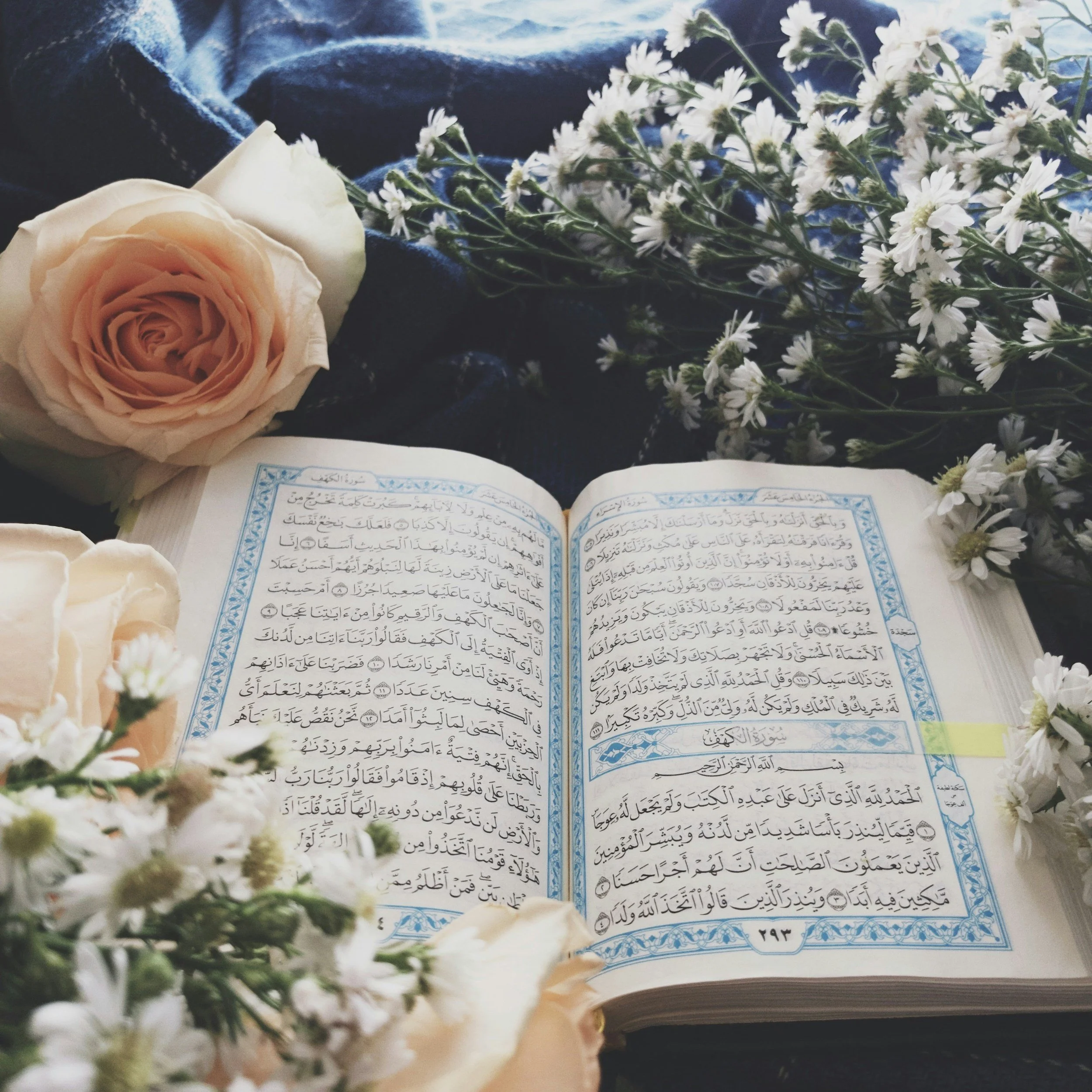
The Quran tells us: "Do you think you will enter Paradise without being tested like those before you? They were afflicted with suffering and adversity and were so violently shaken that even the Messenger and the believers with him cried out, 'When will Allah's help come?' Indeed, Allah's help is always near" (Quran 2:214).
Remind one another in your families that trials, including mental health struggles, are part of our test. They do not indicate Allah's displeasure, but can be opportunities for growth, patience, and increased reliance on Him. The Prophet ﷺ taught: "When Allah loves a people He tries them."

Breaking the Stigma is a Family Responsibility
One of the most powerful things families can do is actively work to break the stigma around mental health within Muslim communities.
Speaking openly about mental health at home
Educating family members that mental illness is not spiritual weakness, as even the Prophet ﷺ experienced profound anxiety and grief
Sharing stories of prophets and righteous people who experienced emotional distress
Challenging harmful narratives when you hear them in your extended family or community
Recognising that managing mental health has been part of the religious tradition for a long time. During the Islamic Golden Age, Muslim hospitals had dedicated psychiatric wards approximately 500 years before Europe developed similar facilities

A Final Reflection
Allah designed families to be sources of sakinah, tranquility, peace, and rest. When a family member struggles with their mental health, it is an opportunity for the entire family to embody the mercy and compassion that Allah has placed between them.
We can provide practical and emotional support to our families. We can validate their pain, support their healing, and walk beside them with patience and love.
The Prophet ﷺ taught us that "none of you truly believes until he loves for his brother what he loves for himself" (Sahih Bukhari & Muslim). If we would want support, compassion, and understanding during our own struggles, then we must extend the same to our family members.
Your loved one's mental health journey may be difficult, but with Allah's mercy, family support, and appropriate care, healing is possible insha’Allah.