Tips for Managing Anxiety as a Muslim Woman

“I fear they will deny me, and my chest feels tight, and my tongue is unable to speak without stammering”. Quran 26:12
I love referring to this verse when speaking about anxiety. It’s the words of Musa (peace be upon him) when Allah instructed him to speak to Firawn. In this moment of vulnerability, Musa perfectly describes anxiety and how it manifests itself in the body. He uses the word “fear” showing this is his primary emotion, the word “tight” showing it’s the feeling of anxiety and how he’s experiencing it in his body and the word “unable” showing how this anxiety restricts, overpowers and silences him. A feeling many of us can relate to.
This vulnerable and honest conversation Musa had with his Lord shows us that the prophets also experienced feelings of anxiety. It beautifully reflects that anxiety is a normal, human experience and is not a sign of weak faith or lack of trust in Allah. To the beautiful woman reading this, you are not alone in this feeling. Allah’s messengers felt it too. Let’s look at how we can manage our anxiety through guidance from the Qur’an and Sunnah.
Need a caring ear to listen during tough times? Book a free call today
How Allah responded to Musa’s fear and anxiety
In Surah Al-Qasas, Allah says “And draw your hand close to your side to be free from fear”. This verse has been interpreted as placing the hands over the chest. Allah responded to Musa’s fear (which manifested as a tightness in the chest), by gently instructing him to place his hands over his chest. Allah did not deny or invalidate Musa’s feelings; He acknowledged them. And with compassion, gave him a form of immediate relief by guiding him to a self-soothing technique. Placing his hands over his chest didn’t just give him ease, it gave him physical comfort wrapped in divine assurance.
Research now shows placing the hands over the chest acts as a supportive touch, sending signals to your brain that you’re safe. This calms your nervous system, releases calming hormones like oxytocin and grounds you in the present moment. No wonder we are instructed to place our hands over our chests in Salah.
When you’re feeling anxious, try this method to help. Gently place your hands over your chest and remember this method was given directly by Allah to Musa. And now to you too. In moments where your anxiety feels overwhelming, remember to come back to yourself. It’s okay to feel like this. You are safe.

Need to talk to someone who understands your feelings? Book a free call
Make space for all your emotions
Another way you can manage anxiety is by creating space for all your emotions to be felt. Hear me out, anxiety is a secondary emotion and usually presents itself when a primary emotion is supressed and ignored. If you’re feeling sad about something and haven’t given yourself the permission to feel it, it might just scream at you through anxiety, refusing to be ignored. To manage your anxiety, it’s important to hold it when it arrives.
What does this look like practically?
Practice regular check-ins throughout the day asking yourself questions like: How am I feeling today? Is there anything sitting heavy in my heart? Is there an uncomfortable sensation in my body that I’m ignoring?
Sit with that emotion, breath into it. Allow it to exist.
Gently release it. You can release your emotions by somatic practices such as salah, dhikr, walking or simple breathing techniques.
Creating space for all your emotions to exist and be felt will help manage your anxiety.
Finding relief in duas
Anxiety can be a very intense and overwhelming emotion to experience. A beautiful way you can help manage your symptoms is to recite the duas given to us from the Quran and Hadith.
A beautiful dua you can recite is:
Allahumma rahmataka arju fa la takilni ‘ ila nafsi tarfata ‘ayn wa aslih li sha’ ni ‘kulla la ilaha illa ant
O Allah! I hope for Your mercy, so do not entrust me to myself for the twinkling of an eye and set all my affairs straight, there is no deity except You.
Anxiety often develops when you overthink and worry about the future. This dua is a perfect way to completely surrender to Allah. Helping you cultivate trust that you are under His Divine protection and He will handle whatever is troubling you.
Another dua you can recite is the dua of Musa:
Rabbi ish’rah li sadri
My Lord! Open for me my chest.
If I had to describe the feeling of anxiety, I’d describe it as something weighty pushing down on the chest. Essentially tightening and suffocating the chest making it difficult to breathe. Musa’s dua asks for immediate relief from this feeling.
When you recite this dua, have firm belief that Allah will lighten the heaviness. Just like He did for Musa (peace and blessings be upon him).
“I am near.” Quran 2:186
Looking for someone to confide in without judgment? Book a free call today
Make istighfar your best friend
The Messenger of Allah (ﷺ) said, "If anyone constantly seeks pardon (from Allah), Allah will appoint for him a way out of every distress and a relief from every anxiety and will provide sustenance for him from where he expects not." Abu Dawud
Istighfar is a beautiful way of managing your anxiety. Quietly whispering “Astagfirullah” is a beautiful form of surrendering to Allah and anchoring your heart in remembrance of Him. Whilst we know that sinning and lack of remembrance of Allah causes distress, we are given a beautiful and effortless way to shed our sins and shortcomings whilst also bringing relief to our hearts. A small but powerful form of support.
“Verily, in the remembrance of Allah do hearts find rest" Quran 13:28
When you’re feeling anxious, slowly and sincerely make istighfar. Not only will Allah create openings in your life (as stated in the hadith), but He will also open your chest with His mercy.
Final thoughts
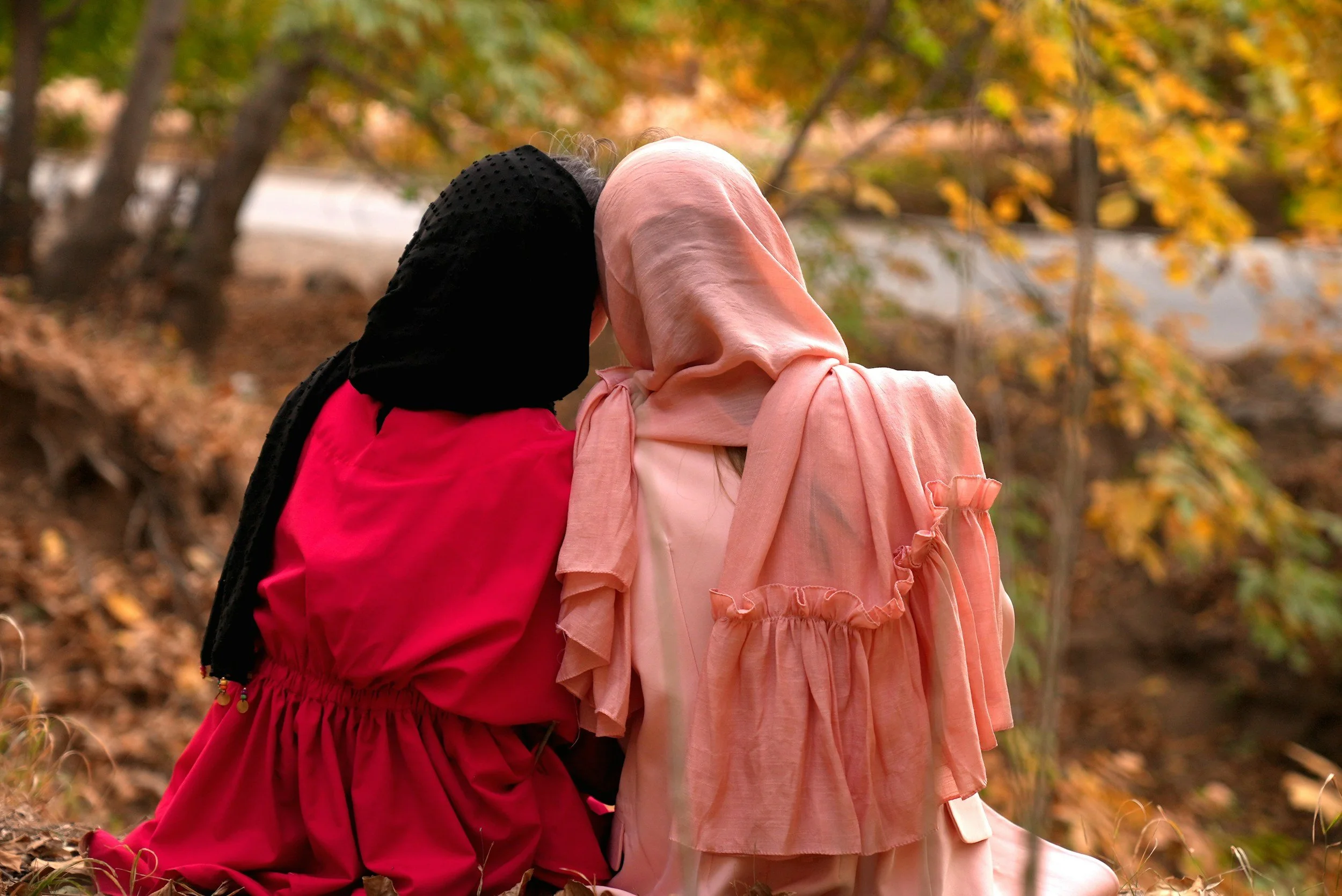
There are so many ways you can manage your anxiety. Please do consider reaching out for help from a professional or seeking support through family and friends if you’re struggling to manage your anxiety.
You are not alone in this feeling.
May Allah heal our hearts and grant us ease. Ameen.