Seeking professional help without shame
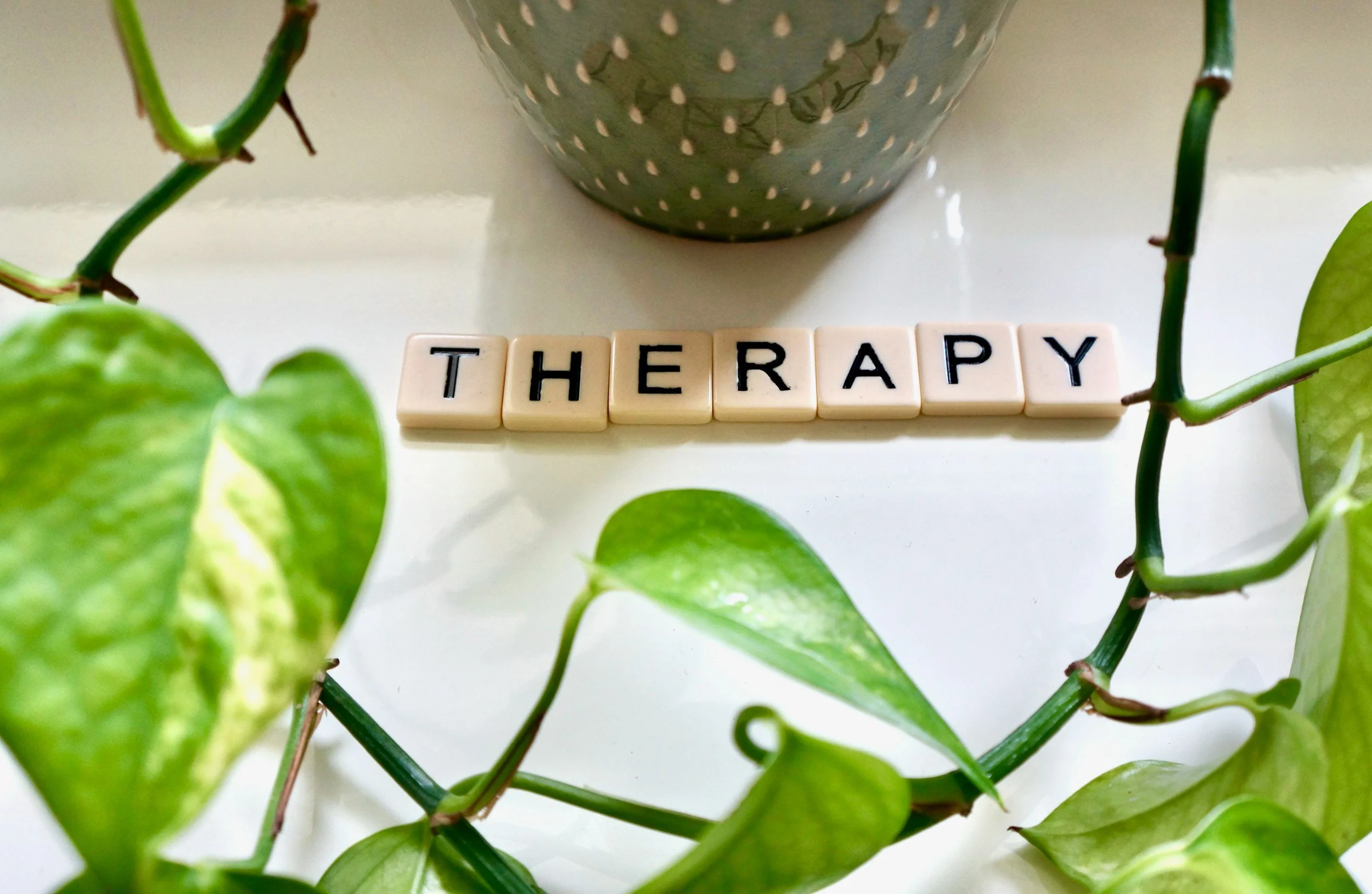
Seeking therapy, counselling, support, medication, rest, or lifestyle changes is not a contradiction to faith. It is part of using the means Allah created for healing. Just as we would treat a broken bone or diabetes, emotional suffering also deserves care and compassion.
🌱 Islam offers spiritual practices that beautifully complement psychology and neuroscience — and many can be implemented practically in daily life:
Protect your salah, even if imperfectly.
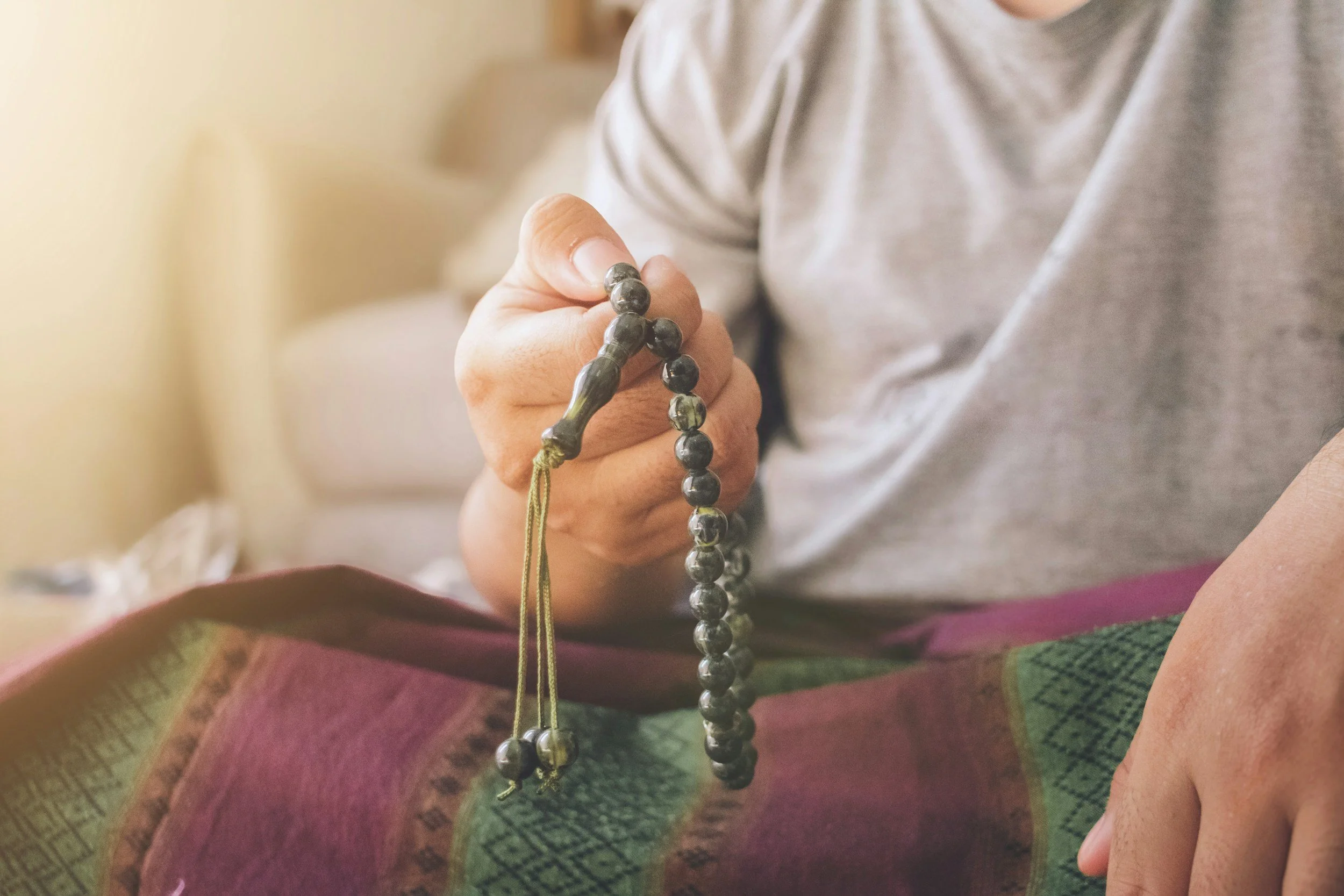
Salah creates structure, grounding, and moments of pause throughout the day. On difficult days, focus simply on showing up before Allah rather than achieving emotional perfection in worship.
Use dhikr to calm the nervous system.
Slow, repetitive remembrance such as SubhanAllah, Alhamdulillah, La ilaha illa Allah, or deep breathing while making dhikr can reduce stress activation and create emotional regulation.
Make small du’as consistently.
Depression can make long acts of worship feel difficult. Even a simple: “Ya Allah, help me through today,” is meaningful. Quiet sincerity matters deeply to Allah.
Prioritise sleep and rest.
Lack of sleep worsens mood, anxiety, concentration, and emotional resilience. Try to maintain consistent sleep and waking times, reduce screen exposure late at night, and allow your body genuine recovery.
Move your body gently.
A short daily walk, stretching, or light exercise can improve mood chemicals in the brain and reduce emotional heaviness. Even 10 minutes outside in sunlight can help regulate the nervous system.
Do not isolate yourself completely.
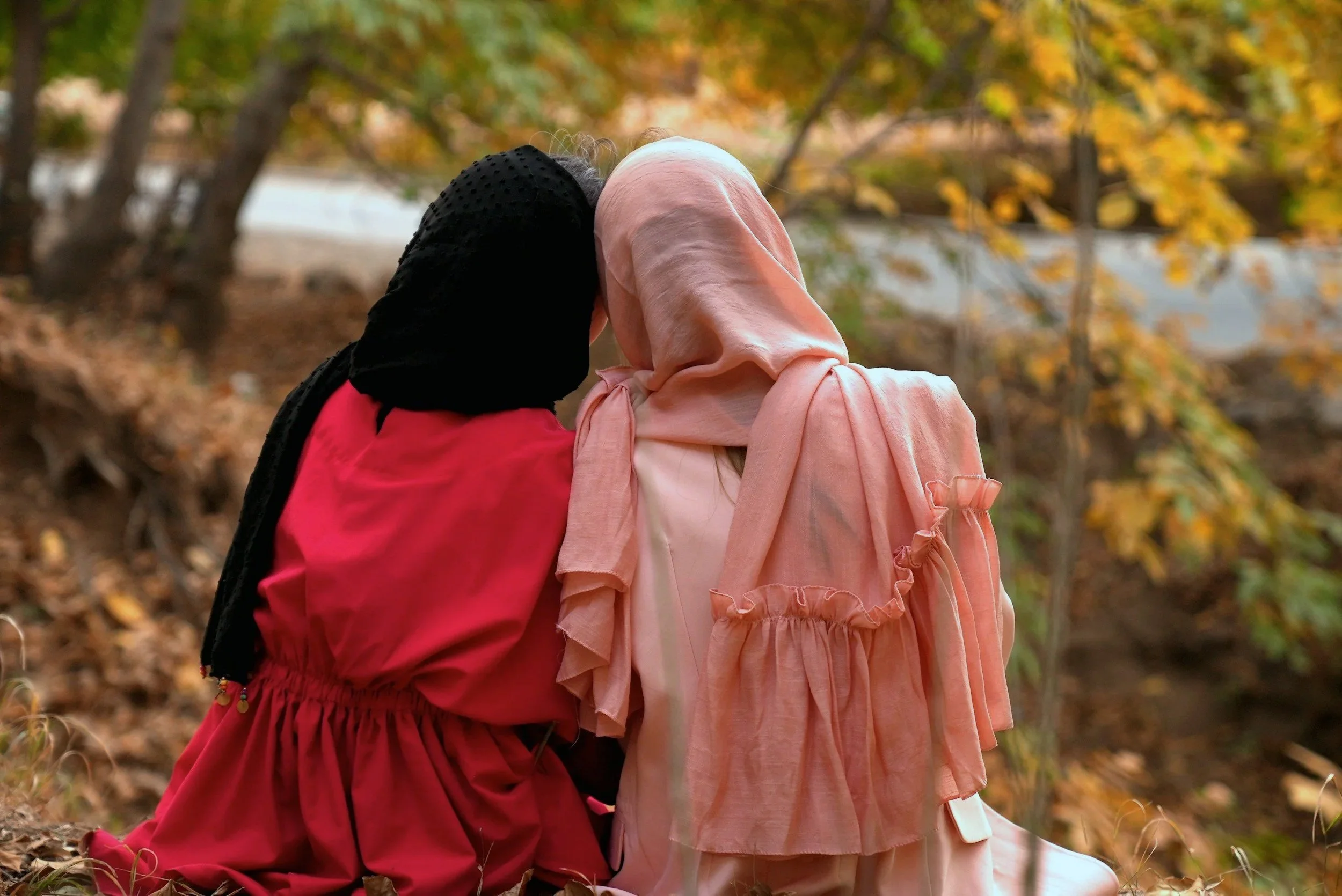
Depression often convinces people to withdraw, but safe human connection is protective. Speak to someone trustworthy, spend time with supportive family or friends, or seek community even in small ways.
Seek professional help without shame.
Therapists, counsellors, support groups, and doctors can help address the psychological and biological aspects of depression. Treatment is not a lack of iman ,it is part of taking care of the amanah Allah entrusted to you.
Reduce overwhelming expectations.

On hard days, lower the goal instead of abandoning it completely. “Small and consistent” is often more healing than “perfect but unsustainable.”
Be mindful of your inner speech.
Many people with depression speak to themselves harshly. Replace constant self-criticism with gentleness and honesty. Allah is Merciful, and healing rarely grows in an environment of self-hatred.
Create moments of meaning and gratitude.

Even noticing one blessing daily ,a warm drink, a kind message, a quiet prayer, sunlight through a window — can slowly retrain the brain to reconnect with hope and presence.
Allah says:
أَلَا بِذِكْرِ اللَّهِ تَطْمَئِنُّ الْقُلُوبُ
“Verily, in the remembrance of Allah do hearts find rest.”
— Qur’an 13:28
This does not mean believers never struggle emotionally. It means that even during struggle, remembrance can become an anchor for the heart.
Allah also reminds us:
لَا يُكَلِّفُ اللَّهُ نَفْسًا إِلَّا وُسْعَهَا
“Allah does not burden a soul beyond what it can bear.”
— Qur’an 2:286
Depression can make a person feel disconnected from themselves, others, and even Allah. But a numb heart is not a dead heart. Sometimes faith during depression looks like surviving another day, whispering small du’as, attending one prayer, asking for help, or simply refusing to give up.
And that effort still matters immensely to Allah.
Healing is rarely instant. It often happens gradually — through prayer, support, treatment, reflection, nervous system regulation, healthy relationships, proper rest, and self-compassion.
Recognising depression is not about labelling yourself. It is about understanding that your pain is real, your struggle is valid, and healing is possible.
You were never meant to carry unbearable pain alone.