Waswasa, OCD, and Worship:

A Solution-Focused Islamic Perspective
Many Muslims experience doubts in worship:
“Did I break my wudu?”
“Did I recite correctly?”
“Was my salah valid?”
For some people, these doubts become constant and exhausting. They may:
Repeat wudu multiple times
Restart prayers
Constantly check rulings
Seek reassurance over and over again
Over time, worship can begin to feel heavy instead of peaceful.
This may be waswasa, and in some cases, OCD (Obsessive-Compulsive Disorder).
Islam Was Not Revealed to Exhaust You

💎 Allah says in the Holy Qur’an:
مَا يُرِيدُ ٱللَّهُ لِيَجْعَلَ عَلَيْكُم مِّنْ حَرَجٍ وَلَـٰكِن يُرِيدُ لِيُطَهِّرَكُمْ
“Allah does not intend to place difficulty upon you, but He intends to purify you.”
(Surah al-Ma’idah 5:6)
💎 And Allah says:
وَمَا جَعَلَ عَلَيْكُمْ فِي ٱلدِّينِ مِنْ حَرَجٍ
“He has not placed upon you hardship in the religion.”
(Surah al-Hajj 22:78)
💞 The Prophet ﷺ said:
إِنَّ الدِّينَ يُسْرٌ
“Religion is easy.”
(Bukhari)
Worship was meant to bring calmness, peace, connection, mercy, and joy — not constant fear and exhaustion.
Understanding OCD and Waswasa
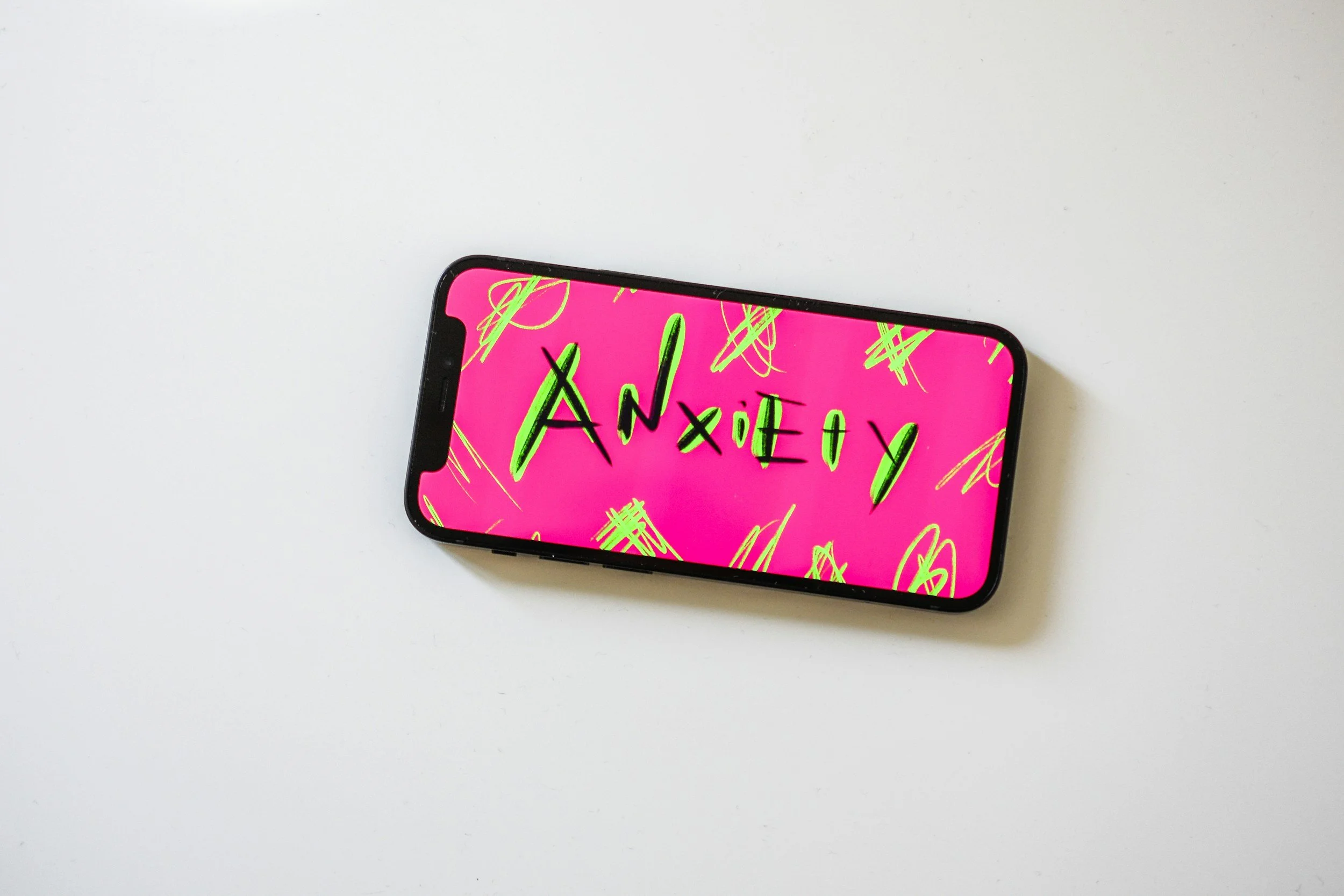
OCD involves intrusive thoughts and compulsive behaviours. The brain becomes trapped in a cycle of fear:
A doubt appears
Anxiety rises
The person repeats a behaviour for relief
Relief comes briefly
The doubt returns even stronger
🧠 Neuroscience shows that OCD affects brain circuits linked to fear, uncertainty, and error detection. The brain begins treating uncertainty like danger, even when nothing is actually wrong.
This is why someone may feel impure or uncertain even when their wudu and salah are completely valid.
Feelings are not evidence.
The Islamic Principle That Breaks Waswasa
One of the major principles in Islam is:
اليقين لا يزول بالشك
“Certainty is not removed by doubt.”
If you made wudu, then you still have wudu unless you are certain it broke.
💞 The Prophet ﷺ said:
لَا يَنْصَرِفْ حَتَّى يَسْمَعَ صَوْتًا أَوْ يَجِدَ رِيحًا
“Do not leave unless you hear a sound or smell something.”
(Bukhari)
Islam teaches us not to obey every anxious thought.
Not every feeling deserves attention.
Not every doubt deserves a response.
Practical Solutions for Wudu
1. Limit Your Wudu
Wash each limb once properly and stop.
Three washes are Sunnah, not obligatory.
Do not restart because of uncertainty.
2. Set a Time Limit

Aim for a simple wudu lasting 2–3 minutes.
Long wudu sessions often feed OCD.
3. No Checking
Do not repeatedly inspect your limbs
Do not go back “just to make sure”
Once finished, leave the sink immediately
4. Ignore “What If” Thoughts
Examples:
“Maybe I missed a spot.”
“Maybe I wasn’t pure.”
Ignore the thought and continue.
The treatment is refusing to feed the cycle.
Practical Solutions for Salah
1. Do Not Repeat Salah for Doubts
If you are unsure, continue praying.
Do not restart because of whispers and uncertainty.
2. Accept Imperfection
Not every mistake invalidates salah.
Allah did not command impossible perfection.
3. Use Sajdah al-Sahw
If you genuinely forget something important, perform sajdah al-sahw instead of panicking and restarting the prayer.
4. Keep Moving Forward

Do not freeze during prayer analysing every movement, word, or letter.
Worship Allah calmly.
Intrusive Thoughts Are Not Sins

Many people with waswasa fear they are sinful because of unwanted thoughts.
💞 The Prophet ﷺ said:
إِنَّ اللَّهَ تَجَاوَزَ لِأُمَّتِي عَمَّا وَسْوَسَتْ بِهِ أَنْفُسُهَا مَا لَمْ تَعْمَلْ أَوْ تَتَكَلَّمْ
“Allah has forgiven my ummah for what they whisper to themselves, so long as they do not act upon it or speak of it.”
(Bukhari)
An intrusive thought is not belief.
In fact, the fact that you hate the thought may itself reflect your iman.
The Qur’an’s Response to Waswasa
💎 Allah says:
وَإِمَّا يَنزَغَنَّكَ مِنَ ٱلشَّيْطَـٰنِ نَزْغٌ فَٱسْتَعِذْ بِٱللَّهِ ۚ إِنَّهُۥ سَمِيعٌ عَلِيمٌ
“If Satan whispers to you, seek refuge in Allah. Indeed, He is Hearing and Knowing.”
(Surah al-A‘raf 7:200)
💎 And Allah says:
قُلْ أَعُوذُ بِرَبِّ ٱلنَّاسِ • مَلِكِ ٱلنَّاسِ • إِلَـٰهِ ٱلنَّاسِ • مِن شَرِّ ٱلْوَسْوَاسِ ٱلْخَنَّاسِ
“Say: I seek refuge in the Lord of mankind, the King of mankind, the God of mankind, from the evil of the whisperer who withdraws.”
(Surah al-Nas 114:1–4)
The solution is not endless checking.
The solution is to:
Seek refuge in Allah
Ignore the whisper
Continue worship calmly
Exposure and Trust in Allah

Psychologically, recovery happens when a person stops obeying compulsions.
This closely resembles resisting waswasa in Islam.
Examples include:
Make wudu once and walk away
Pray once and do not repeat
Accept uncertainty
Sit with the anxiety without trying to “fix” it
At first, anxiety may rise.
But gradually, the brain learns:
“I was safe even without repeating.”
This is how OCD weakens over time.
Seeking Help Is Part of Tawakkul
Seeking therapy is not weak iman.
💞 The Prophet ﷺ said:
“Seek treatment, for Allah has not created a disease except that He created for it a cure.”
A scholar can help with Islamic rulings.
A therapist can help with OCD patterns and compulsions.
Sometimes both forms of support are needed.

A Final Reminder
Allah is not waiting to reject you because of every small mistake.
Allah knows your struggle.
He knows the difference between sincerity and illness.
Worship Allah with balance, calmness, and trust — not fear and endless repetition.
Du‘as
اللَّهُمَّ لَا سَهْلَ إِلَّا مَا جَعَلْتَهُ سَهْلًا، وَأَنْتَ تَجْعَلُ الْحَزْنَ إِذَا شِئْتَ سَهْلًا
“O Allah, nothing is easy except what You make easy, and You can make difficulty easy if You will.”
💎 And Allah says:
رَبَّنَا لَا تُؤَاخِذْنَا إِن نَّسِينَا أَوْ أَخْطَأْنَا
“Our Lord, do not take us to task if we forget or make mistakes.”
(Surah al-Baqarah 2:286)
Conclusion
Waswasa and OCD can make worship feel frightening, exhausting, and heavy. But Islam does not call you to live in constant fear of invalidity and rejection.
Allah ﷻ is Most Merciful, and this religion was revealed with wisdom, balance, and ease.
The path forward is not endless checking, repeating, and analysing every detail. The path forward is certainty, trust, and calm obedience.
Make your wudu and move on.
Pray your salah and continue.
Ignore doubts that have no clear evidence.
With time, patience, and consistency, the cycle of anxiety weakens.
Remember:
Allah judges you by your sincerity and effort, not obsessive perfection.
Intrusive thoughts do not define your faith.
Struggling with OCD does not make you a bad Muslim.
In many cases, resisting compulsions itself becomes an act of worship, patience, and tawakkul.
Healing may take time, but every step toward balance matters.
Seek refuge in Allah, seek beneficial knowledge, and seek professional help when needed. There is no contradiction between trusting Allah and using the means Allah created for healing.
May Allah grant peace to every heart struggling with waswasa, fill worship with tranquillity and closeness to Him, and make our deen a source of mercy, light, and ease for us in this life and the next.
Ameen.