6 Ways To Build Your Own Support Network as a Muslim Woman: A Path to Empowerment and Connection
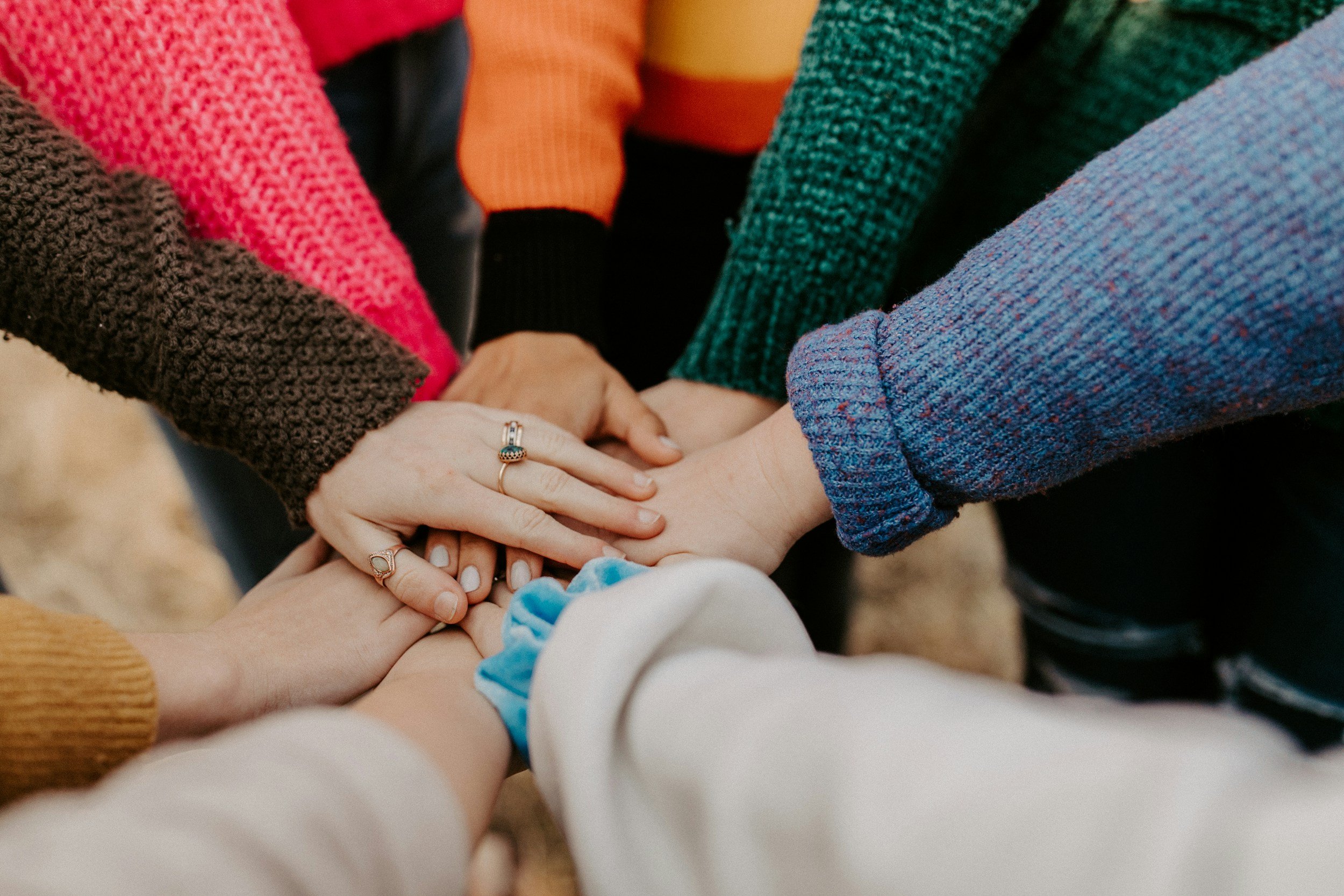
In a world that often feels fragmented and isolating, building a strong support network isn’t merely beneficial it’s essential for thriving. For Muslim women navigating the intersection of faith, cultural expectations, and modern challenges, this need becomes even more profound.
Whether you’re balancing career aspirations with family responsibilities, maintaining your Islamic identity in secular spaces, or simply yearning for genuine sisterhood, a thoughtfully cultivated support system can transform your journey from a quiet lonely endurance to purposeful empowerment.
1. Start with Honest Self-Reflection

The first step toward building a meaningful support network begins within. Before reaching outward, take time to understand what kind of support your heart truly needs.
As Muslim women, we often carry multiple identities simultaneously - daughter, wife, mother, professional, community member—each with its own expectations and emotional weight. This complexity can blur our sense of what “support” actually looks like for us.
Ask yourself:
Where do I feel most isolated?
What kind of guidance would ease my daily struggles?
How can I honor my faith values while seeking help?

A working mother might long for mentorship from someone who’s successfully balanced career ambitions with Islamic parenting. A revert may crave connection with sisters who understand the loneliness of starting over. A young professional might seek allies who’ve faced workplace bias without compromising their hijab or prayer schedule.
I’ve learned that naming our needs—without guilt or self-blame—is an act of courage. When we articulate what we truly need, we begin to invite the right kind of support into our lives.
Feeling unsure about where to start? Book a free call with Maryam Support Line Today

2. Tap into Community Resources Strategically
Our Muslim communities hold incredible potential for support—but accessing that potential requires intentional effort. Your local mosque isn’t just a space for Jumu’ah; it’s a place for learning, sisterhood, and shared growth.
Many masājid now offer sisters’ halaqahs, Qur’an circles, parenting sessions, or even mental health workshops. If you notice a missing space perhaps a circle for reverts, single mothers, or young professionals consider initiating it. Sometimes, the support you’re looking for is the one you’re meant to create.

The digital world has also expanded how we connect. Online communities on Instagram, Facebook, and The Maryam Support Line community host vibrant discussions from modest fashion to mental health and navigating identity in secular workplaces. Follow accounts and spaces, that nourish your imān and intellect, and engage authentically. Over time, online interactions can blossom into genuine friendships rooted in shared purpose.
For career growth, seek professional spaces like Sisters in Business or any local Muslim business associations. These offer mentorship and advocacy while honoring your faith identity.
Remember, quality over quantity. A few aligned connections built on sincerity and shared values are worth far more than dozens of shallow ones.
Struggling to find someone to listen? Book a free call with us today
3. Cultivate Deep, Reciprocal Relationships

While group spaces are nourishing, the most transformative support often comes through one- on-one relationships. Identify women who embody the qualities you aspire toward—those who balance dīn and dunyā with grace. Approach them sincerely:
“Sister, I really admire how you’ve handled this challenge. Would you be open to sharing some advice or having tea together?”
But remember mentorship and friendship are not one sided. Healthy support thrives on reciprocity. Be the sister who listens without judgment, who celebrates others’ wins without envy, who offers help before being asked. Even small acts, a kind message, sharing a verse, babysitting for an overwhelmed mother—can leave deep impressions.
Family relationships also deserve intentional care. While family can be our greatest blessing, cultural expectations sometimes create friction with personal aspirations. Set boundaries with gentleness, and communicate your intentions through shared Islamic values.
This approach nurtures understanding rather than resistance.
Need help navigating family expectations? Book a free call with us today.
4. Address Barriers with Courage and Wisdom
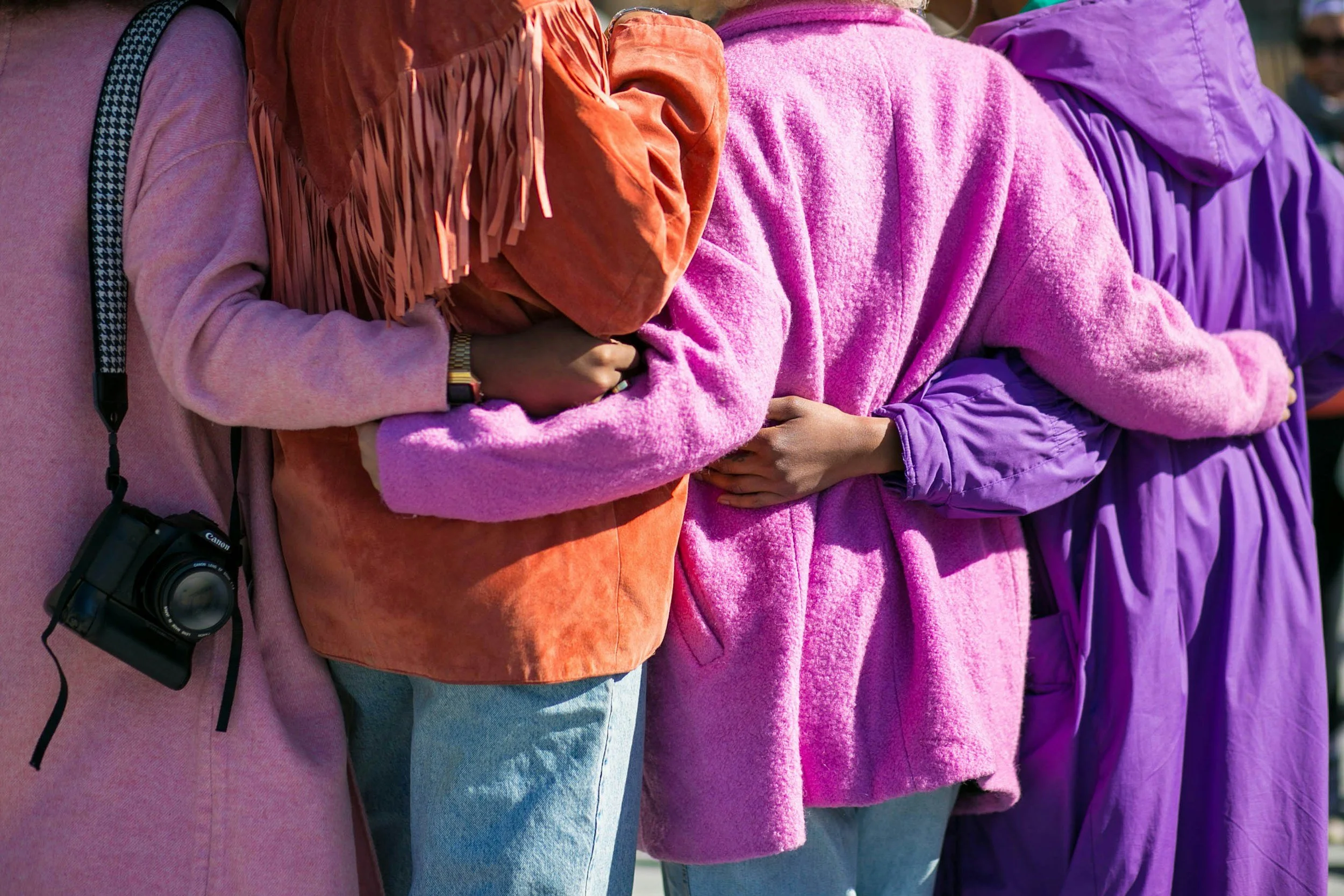
Let’s be honest building supportive relationships as a Muslim woman can come with challenges. Stigma around mental health, fear of being judged, or the absence of inclusive spaces can make reaching out feel risky.
But these barriers are also opportunities for leadership. When seeking support feels taboo, become the one who normalizes it. Share authentic stories, reference prophetic examples, and remind others that Islam encourages seeking counsel and community care.

The Prophet ﷺ said:
“The example of the believers in their mutual love, mercy, and compassion is that of a single body; when one limb aches, the whole body responds with wakefulness and fever.”
(Ṣaḥīḥ Muslim)
When we speak openly about our needs, we help dismantle silence and invite healing—for ourselves and others.
5. Anchor It All in Self-Care
Here’s a truth too many women learn the hard way: you cannot pour from an empty vessel.
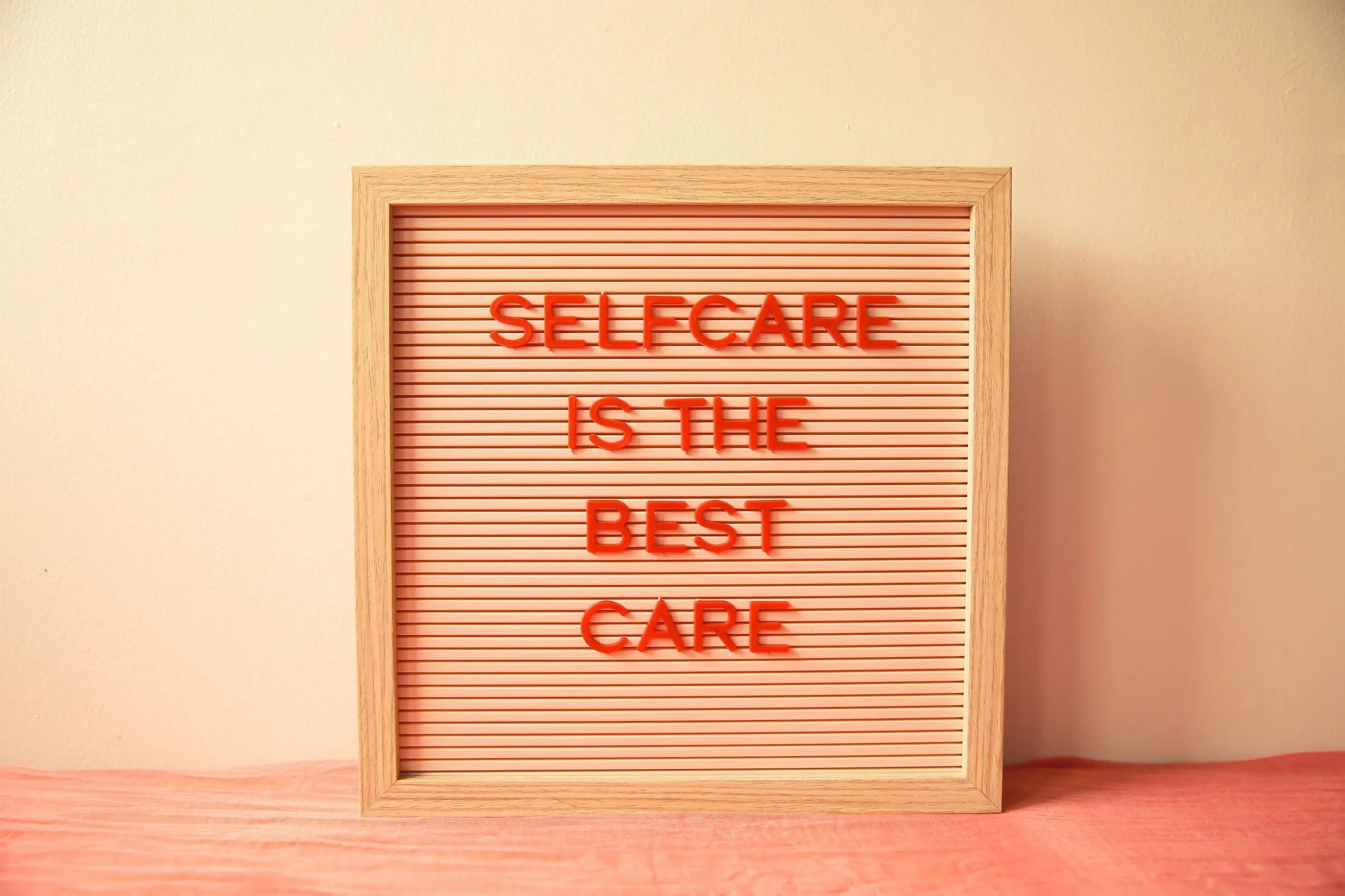
Self-care is not indulgence it’s stewardship of the soul Allāh entrusted you with.
Prioritize what refills your spiritual and emotional tank: daily du‘ā, Qur’an reflection, journaling, gentle movement, creative expression, or simply rest. Allow yourself to pause without guilt.
And when you need professional guidance for mental health challenges, burnout, or transitions—seek it without shame. A trained Muslim therapist or counselor can offer tools that complement your faith journey.
6. The Journey Forward
Building your support network is not a single milestone but a lifelong process of growth, vulnerability, and renewal. Some connections will blossom instantly; others will take time. Some sisters will walk beside you for a season; others will become lifelong companions.
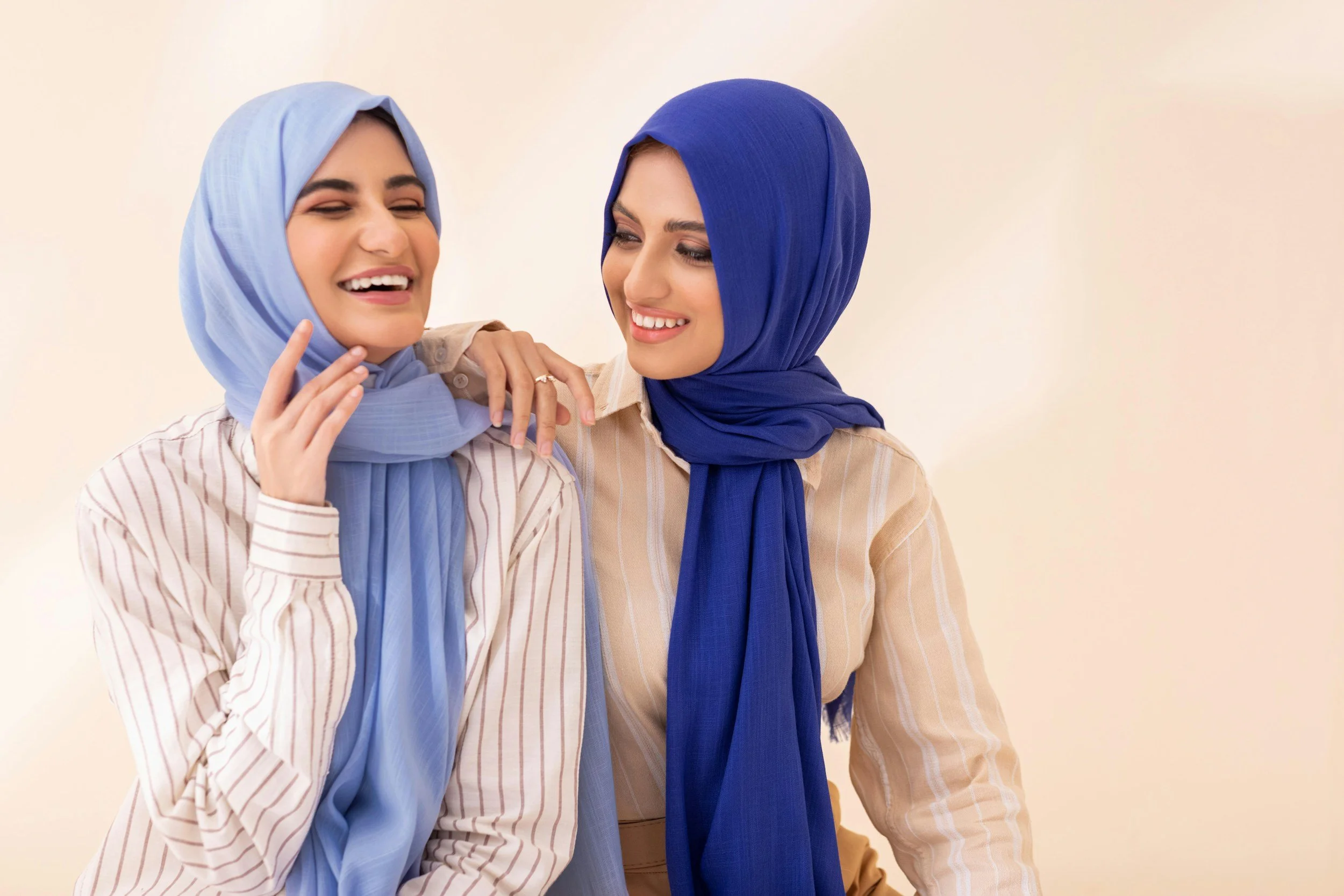
What matters most is that you take that first step reaching out, showing up, and believing that you deserve support. Because you do.
When Muslim women uplift one another with sincerity, we don’t just strengthen individual lives we weave a tapestry of resilient sisterhood where no woman has to struggle in silence.
You are not alone on this journey.