Finding Peace Through Prayer: A Guide for Muslim Women

In today’s fast-paced and often demanding world, many Muslim women carry emotional burdens that remain unseen—stress, anxiety, grief, and internal struggles that are rarely voiced. Between family responsibilities, personal expectations, and societal pressures, the heart can quietly become overwhelmed.
Islam, in its mercy and wisdom, does not leave the believer without support. At the center of our faith lies a powerful and restorative act—Salah (prayer). It is not merely a ritual, but a consistent return to Allah, offering both spiritual nourishment and emotional grounding.
Allah سبحانه وتعالى says:
“Verily, in the remembrance of Allah do hearts find rest.”
(Surah Ar-Ra’d 13:28)
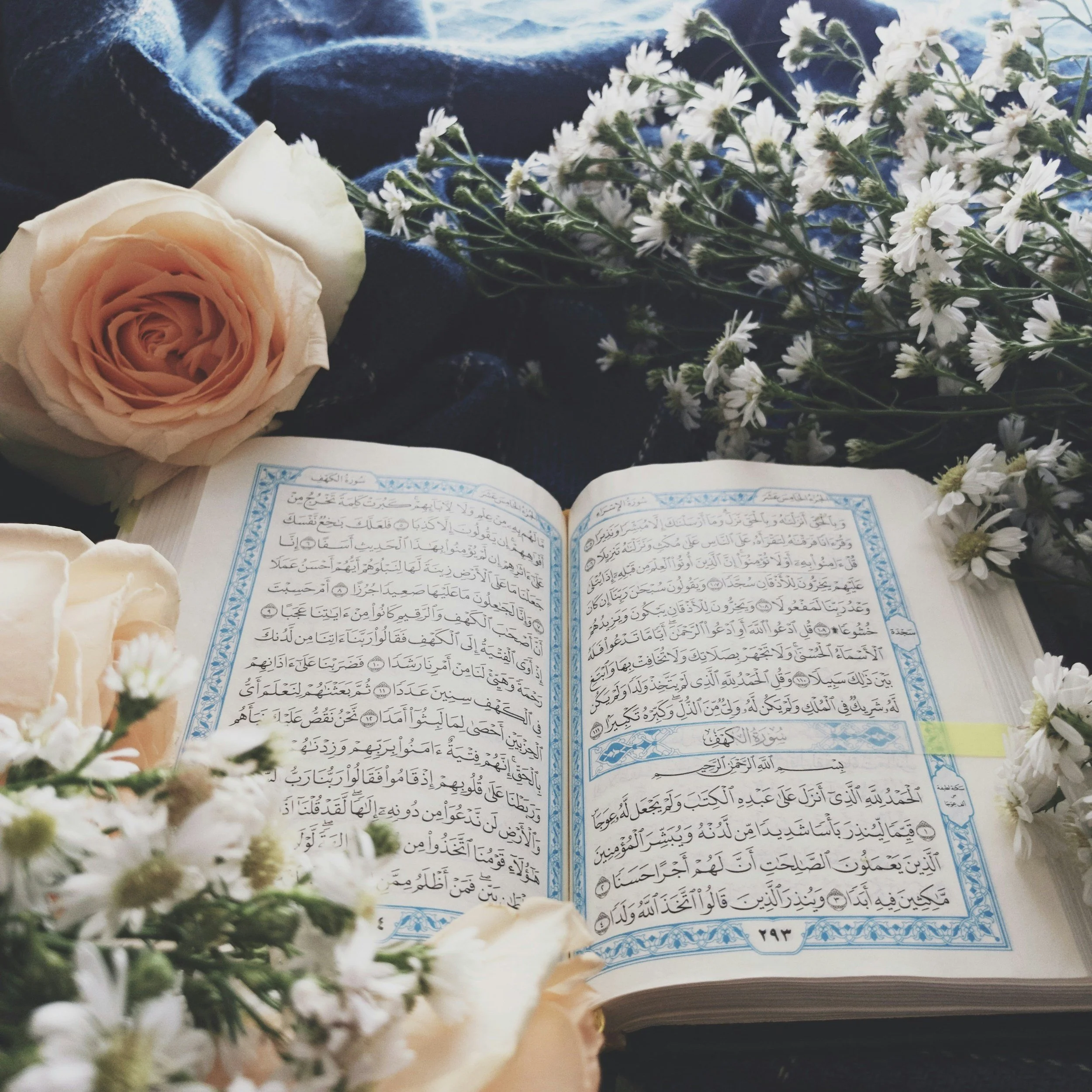
This is a promise. True peace is not dependent on a life free from hardship, but on a heart connected to its Creator.
Salah: A Sacred Pause in a Demanding Life

Salah offers something many hearts are searching for—a pause. Five times a day, Allah invites you to step away from everything and stand before Him.
The Prophet ﷺ said:
“The closest that a servant comes to his Lord is when he is prostrating.”
(Sahih Muslim)
In sujood, a woman places her burdens down—her worries, her fears, her unspoken pain. It is a position of humility, yet it carries deep strength. In that moment, nothing else matters except the connection between you and Allah.
Yet it is important to acknowledge a reality many sisters face: sometimes, even prayer feels heavy.
When the heart is tired, when emotions are overwhelming, or when life feels uncertain, maintaining consistency in salah can be difficult. This is not a sign of weak faith—it is a reflection of the weight you are carrying.

In such moments, alongside turning to Allah, speaking to someone who understands can ease that burden. Services like Maryam Support Line exist to walk gently with you through those difficult times.
When the Heart Feels Heavy
There are days when focusing in prayer feels almost impossible. The mind wanders, the heart feels distant, and the body moves without presence. Many women silently struggle with this.
Allah (the Most Glorified and Most High) reminds us:
“Allah does not burden a soul beyond that it can bear.”
(Surah Al-Baqarah 2:286)
Your effort matters. Even when your prayer feels imperfect, it is still seen, still valued, and still beloved to Allah. He is The Most Grateful, every small action means so much to Him.

Returning to prayer—even in weakness—is an act of strength.
Rather than expecting perfection, allow yourself gentleness. Take small steps. Rebuild slowly. And when the struggle feels too heavy to carry alone, reaching out for support can be part of your healing.
Maryam Support Line offers a space where your experiences are met with understanding, not judgment.
Deepening Your Connection with Salah
To experience the peace within prayer, it helps to move from routine to reflection.
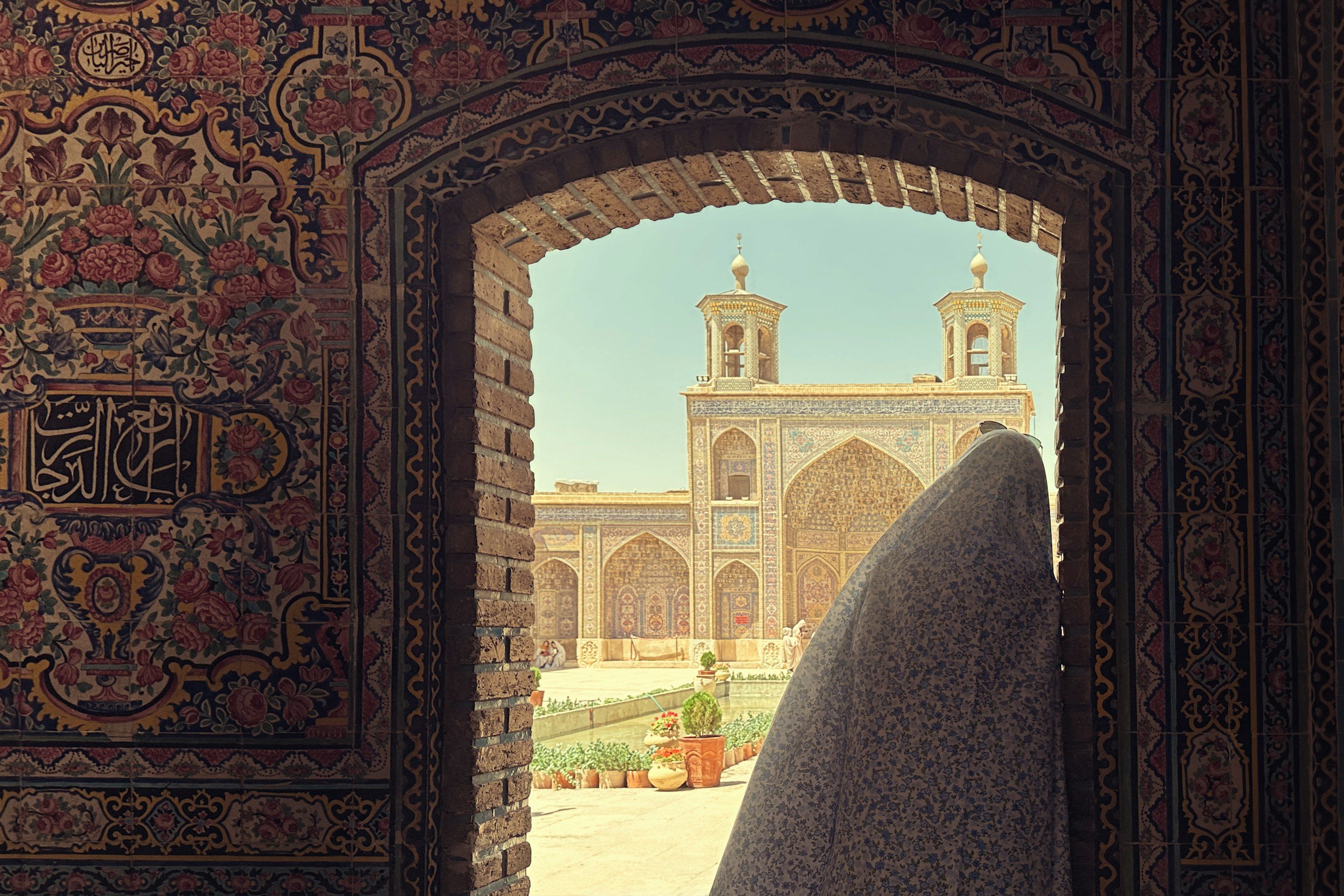
Reflect on What You Recite; Understanding the meanings of your recitation transforms salah into a conversation. For example, in Surah Fatihah, we recite:
“You alone we worship, and You alone we ask for help.”
(Surah Al-Fatihah 1:5)
These words remind you that you are not alone in your struggles—your help comes from Allah alone.
Create a Space of Calm
Your environment can influence your state of mind. A clean, quiet space—even a small corner—can become a place where your heart feels at ease.

Over time, your prayer space becomes associated with peace, making it easier to return to salah even during difficult days.
Slow Down and Be Present
The Prophet ﷺ (peace be upon him) prayed with calmness and presence. Slowing down allows the heart to catch up with the body.
He ﷺ (peace be upon him) said:
“When one of you stands to pray, he is conversing with his Lord.”
(Sahih al-Bukhari)
When you internalize this, prayer changes completely. It becomes personal - It becomes meaningful.
Dua: A Space for Emotional Release

Beyond the structure of salah lies dua—a space where the heart speaks freely.
Allah (the Most Glorified and Most High) says:
“Call upon Me; I will respond to you.”
(Surah Ghafir 40:60)
Dua is where you can express what you cannot say to anyone else. It is where tears are understood without explanation.
Many Muslim women carry silent struggles—emotional pain, personal trials, or past wounds. In dua, nothing is hidden from Allah.
Healing Through Patience and Trust
Healing does not always happen instantly. It is often a gradual process—one that requires patience (sabr) and trust (tawakkul).
Allah (the Most Glorified and Most High) says:
“Indeed, with hardship comes ease.”
(Surah Ash-Sharh 94:6)
This is not just hope—it is certainty.
Every difficulty carries within it an opening. Every hardship is accompanied by ease, even if it is not immediately visible.
Breaking the Silence with Compassion
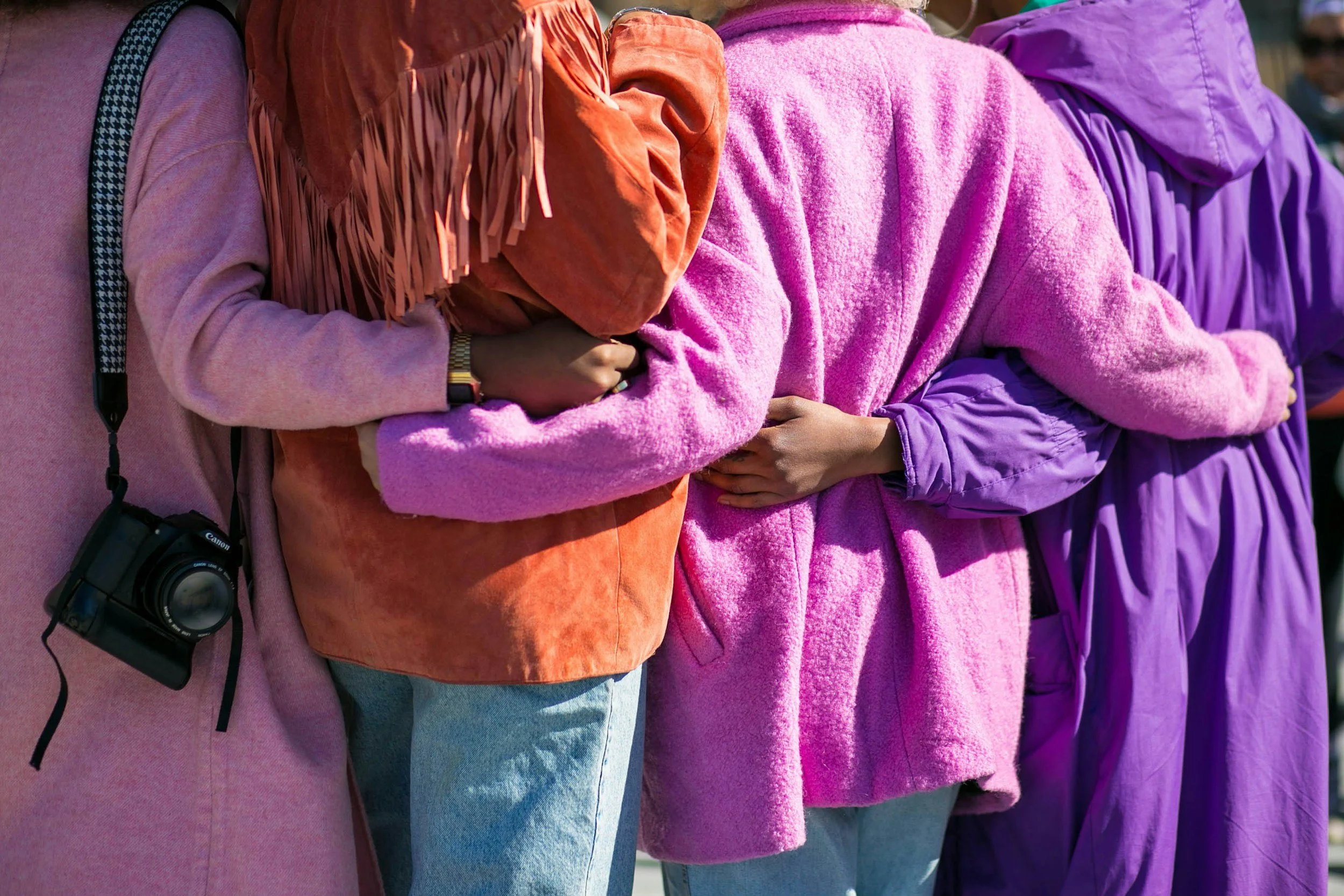
In many communities, emotional struggles are often kept hidden. Women may feel pressure to remain strong, even when they are hurting.
But Islam does not teach us to ignore our pain. The Prophet ﷺ (peace be upon him) experienced grief, loss, and hardship. Acknowledging emotional struggle is not weak—it is part of the human experience.
Seeking help is a step toward healing, not away from faith.
A Gentle Reminder

Dear sister, your worth is not defined by how much you endure in silence. Your value lies in your relationship with Allah.
When life feels overwhelming:
Return to your prayer
Speak to Allah through dua
Be patient with yourself
Allow yourself to seek support
You are seen. You are heard. You are not alone.
Conclusion
True peace is not found in a life free from hardship, but in a heart that remains connected to Allah through every trial. Salah is not just an obligation—it is a lifeline. A return. A place where your pain is seen, your voice is heard, and your soul is gently restored.

Dear sister, you do not have to carry everything alone. Your struggles are valid, your emotions matter, and your healing is important.
May Allah grant you sakinah, ease your burdens, and draw your heart closer to Him in every moment. Ameen.