Why Tests Are Never a Punishment For The Believer

There are moments in life when hardship does not simply pass through you—it settles, lingers, and weighs heavily on your heart. In those moments, the questions come quietly at first, then more insistently: Why is this happening to me? What have I done to deserve this? Has Allah turned away from me? It is a deeply human response to pain to try and make sense of it through the lens of fault and consequence. We look inward, searching for something we must have done wrong, or we look upward with a sense of confusion, wondering why we have been chosen for something that feels so heavy and so unbearable.

But what if this framing to interpret hardship as punishment is incomplete? What if it is not only inaccurate, but also deprives us of the deeper gift embedded within our experiences? There is another way to understand what we go through, one that does not deny the pain, but transforms its purpose. What if, instead of punishment, our tests are something far more profound—an invitation, a refinement, a form of divine attention that is drawing us closer rather than pushing us away?
Need someone to talk to? Book a free call today.
Allah, in His infinite wisdom, asks a question in the Qur’an that gently unsettles our assumptions: “What would Allah do with your punishment if you are grateful and believe?” Surah An-Nisa (4:147). This is not merely rhetorical; it is deeply revealing. It shifts the focus away from us and our suffering, and toward Allah’s nature. Allah is completely self-sufficient. He is not in need of our pain, nor does He derive anything from our hardship. If punishment were the objective, it would suggest some form of benefit or gain—but Allah is beyond all need. So if He allows us to experience difficulty, it cannot be reduced to something as simplistic as retribution, punishment and blame. It must serve a purpose that is rooted in mercy, even if it does not immediately feel that way.
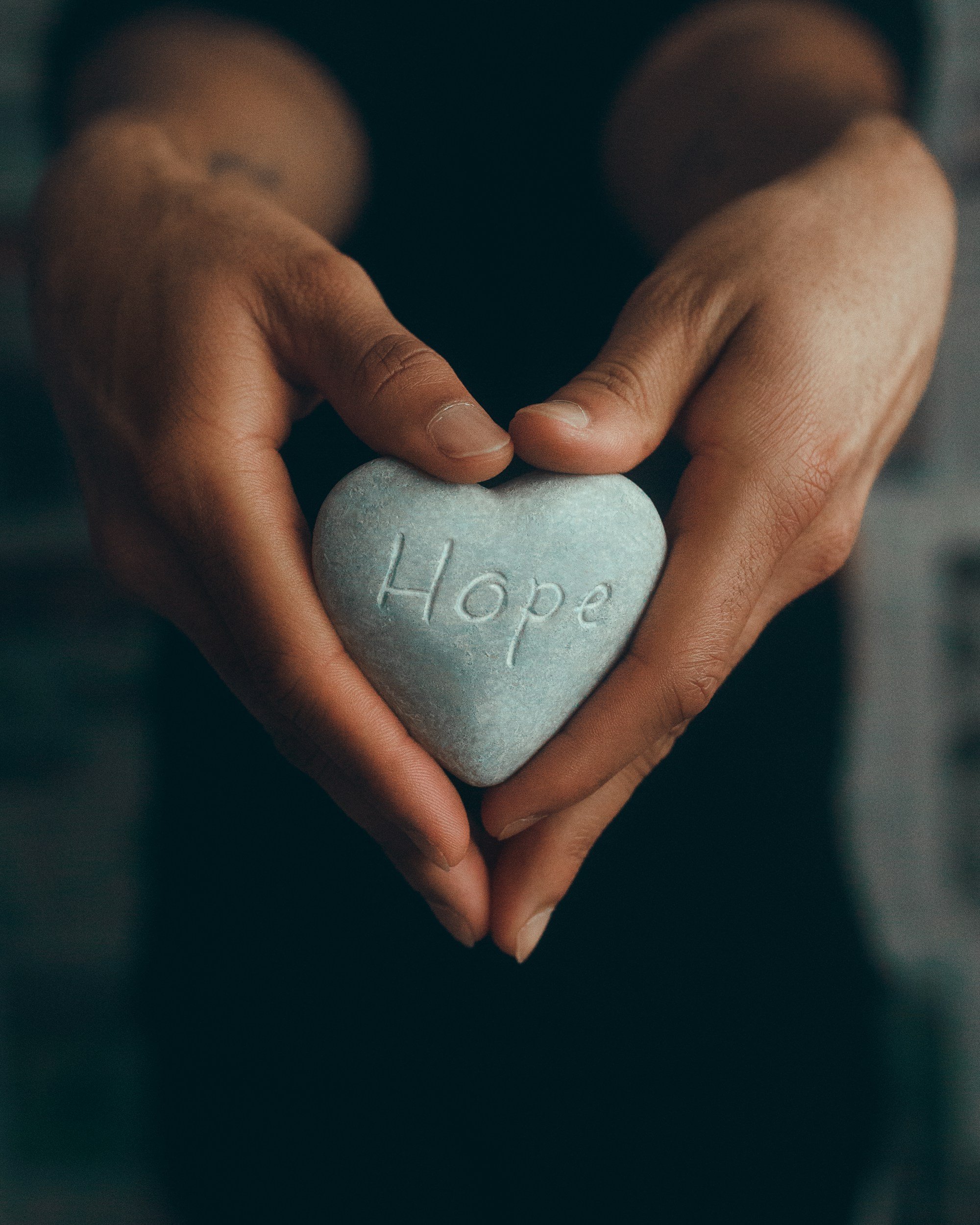
When you begin to sit with this idea, something subtle starts to shift. The question is no longer “Why is this happening to me?” in a tone of despair, but rather “What is this doing for me?” in a tone of curiosity and openness. This shift does not erase the pain, but it changes your relationship with it. It creates space for meaning to exist alongside suffering.
There is a rhythm to life that transcends cultures, languages, and traditions—a quiet, universal understanding that hardship often precedes transformation. In Chinese philosophy, there is a phrase, “Pe ji tai lai,” which speaks to the idea that after extreme hardship comes great fortune. It reflects something deeply intuitive about the human experience: that darkness and light are not random, but they are connected. That winter is not the end of life, but a necessary phase before renewal.
Allah affirms this rhythm in a way that is both comforting and profound: “Indeed, with hardship comes ease. Indeed, with hardship comes ease.” (Surah Ash-Sharh 94:5–6) The repetition is intentional. It is not merely poetic emphasis—it is reassurance, a type of promise. And perhaps most strikingly, Allah does not say after hardship comes ease, but with it. This suggests that even as you are experiencing difficulty, ease is already present, already unfolding in ways you may not yet be able to perceive. It may exist in subtle forms—a lesson, a shift in perspective, a hidden protection, or even the quiet strengthening of your heart.
Part of the challenge, however, lies in our resistance. We do not just experience hardship; we often fight it. We replay events in our minds, wishing they had gone differently. We fight against what is, longing for what was or what could have been. And in doing so, we create an additional layer of suffering—one that comes not from the test itself, but from our inability to accept it.

This is where the concept of radical acceptance becomes deeply relevant. Acceptance does not mean passivity, nor does it mean suppressing your emotions or pretending that everything is fine. It means allowing reality to be what it is, without internal resistance. It means trusting that what Allah has allowed carries wisdom, even if that wisdom is not immediately visible to you. You can still make dua, you can still seek change, you can still strive for something better—but your heart is no longer in conflict with what has already been written.
Looking for someone who will listen without judgment? Book a free call today
Gratitude becomes a powerful anchor in this state. Not the kind of gratitude that waits for everything to be resolved before it appears, but a quieter, more resilient form—the kind that exists even within difficulty. When Allah mentions gratitude alongside belief in that ayah, it is not accidental. Gratitude transforms the experience of hardship. It softens the heart, making it receptive rather than rigid. It allows you to see glimpses of mercy where you might otherwise only see pain.

There is a story in the Qur’an that captures this tension between appearance and reality in a way that is both unsettling and deeply comforting. When Prophet Musa accompanies Khidr, he witnesses events that seem, on the surface, unjust and even troubling—a boat is damaged, a young boy is killed, a wall is repaired for people who showed no kindness. Musa, guided by his sense of justice, questions these actions repeatedly. But by the end of the journey, Khidr reveals the hidden wisdom behind each one. What appeared to be harm was, in reality, protection. What seemed unfair was, in fact, mercy unfolding in a form that could not be immediately understood.
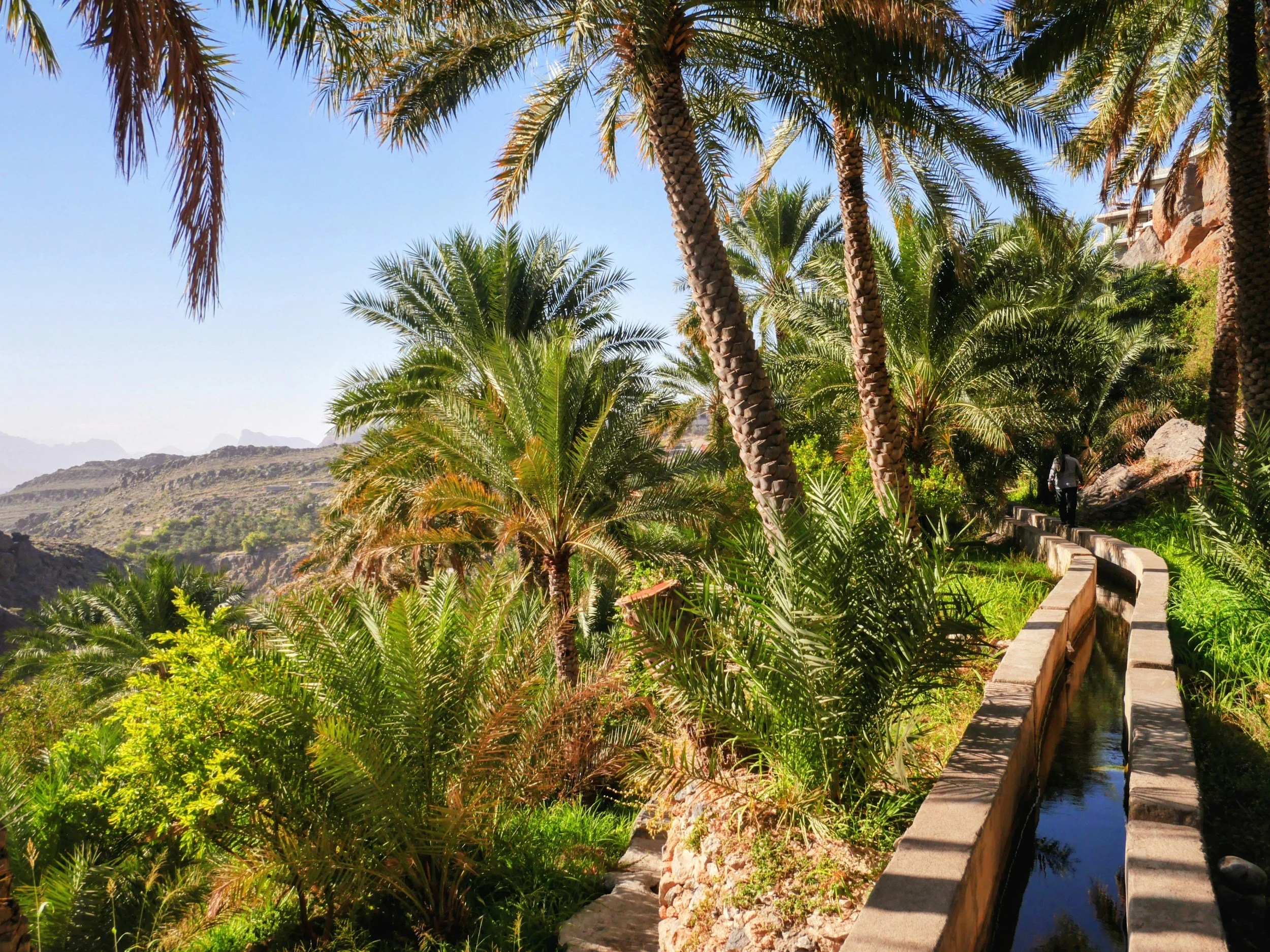
This story lingers because it mirrors our own experience. How often have we judged a moment too quickly, only to later realise that it carried a hidden benefit? How often have we been spared from something we thought we wanted, only to see later that it would not have been good for us? The truth is, our understanding is limited by time, space and personal perspective. We see fragments; Allah sees the whole.
Looking for a compassionate ear to talk to during hard times? Book a free call today.
And yet, during hardship, the mind can become a place of distortion. It begins to tell stories that are not rooted in truth, but in fear and pain. It whispers that this is punishment, that you are being singled out, that something has gone wrong in your relationship with Allah. These thoughts can feel convincing, especially when you are emotionally vulnerable. But they are not always reliable.

In those moments, there is a quiet but important act that must take place—you must defend Allah in your heart, you must defend Allah from those negative voices. You must remind yourself of who He is, beyond how you feel. He is Ar-Rahman, Ar-Raheem—the Most Merciful, the Especially Merciful. His mercy is not abstract; it is active, continuous, sincere, and in truth. It reaches you in ways you recognise and in ways you do not.

Sometimes, what you are experiencing is not punishment, but cleansing. There is a discomfort that comes with being emptied of what no longer serves you. Just as a cup must be emptied before it can be filled with something pure, the soul too must sometimes go through a process of release. Old attachments, unhealthy patterns, misplaced dependencies, unresolved wounds—these cannot coexist with the clarity and peace you are seeking.
This process is rarely gentle. It can feel like loss, like disruption, like everything you relied on is being taken away. But what if this is not destruction, but preparation? What if something within you is being made ready for a different kind of life, one that is more aligned, more grounded, more sincere?
If you look at the life of the Prophet ﷺ, you begin to see a pattern that repeats itself in the lives of those closest to Allah. The years in Makkah were marked by relentless hardship—mockery, embarrassment, rejection, loss, and deep emotional pain. There were moments when it must have felt as though the struggle would never end. And yet, those years were not wasted. They were building something unseen—resilience, conviction, and a community rooted in faith rather than circumstance.

When relief came, it did not come in isolation. It came after a process that had already shaped the hearts of those who would carry the message forward. This is the Sunnah of Allah: preparation before elevation, testing before opening.

So when your life feels like a series of tests, it is worth asking not only what is being taken from you, but what is being built within you. Every test carries within it the potential for transformation. It can teach patience and trust in a way that comfort never could. It can deepen your reliance on Allah when everything else feels uncertain. It can reveal strengths you did not know you possessed.
Something heavy on your chest and you want to talk it through with someone? Book a free call today
Returning to that ayah—“What would Allah do with your punishment if you are grateful and believe?”—you begin to see that it is not simply a statement, but a reframing of reality. It invites you to trust that your experiences are not random, nor are they rooted in cruelty. They are part of a process that is designed, with precision and care, to bring you closer to who you are meant to be.

It is easy, in moments of pain, to feel as though life has taken a wrong turn. But perhaps what feels like a detour is actually the path itself. Perhaps what feels like a setback is, in reality, a redirection. There is a quiet mercy in being brought to a place where your illusions fall away, where your reliance shifts, and where you begin to see things with a clarity that was not possible before.
And so, when the thought arises that this is punishment, pause gently. Do not suppress the feeling, but do not accept it as truth either. Instead, return to what you know about Allah. Return to His names, His attributes, His promises. Trust that meaning is unfolding, even if it is not yet visible to you.
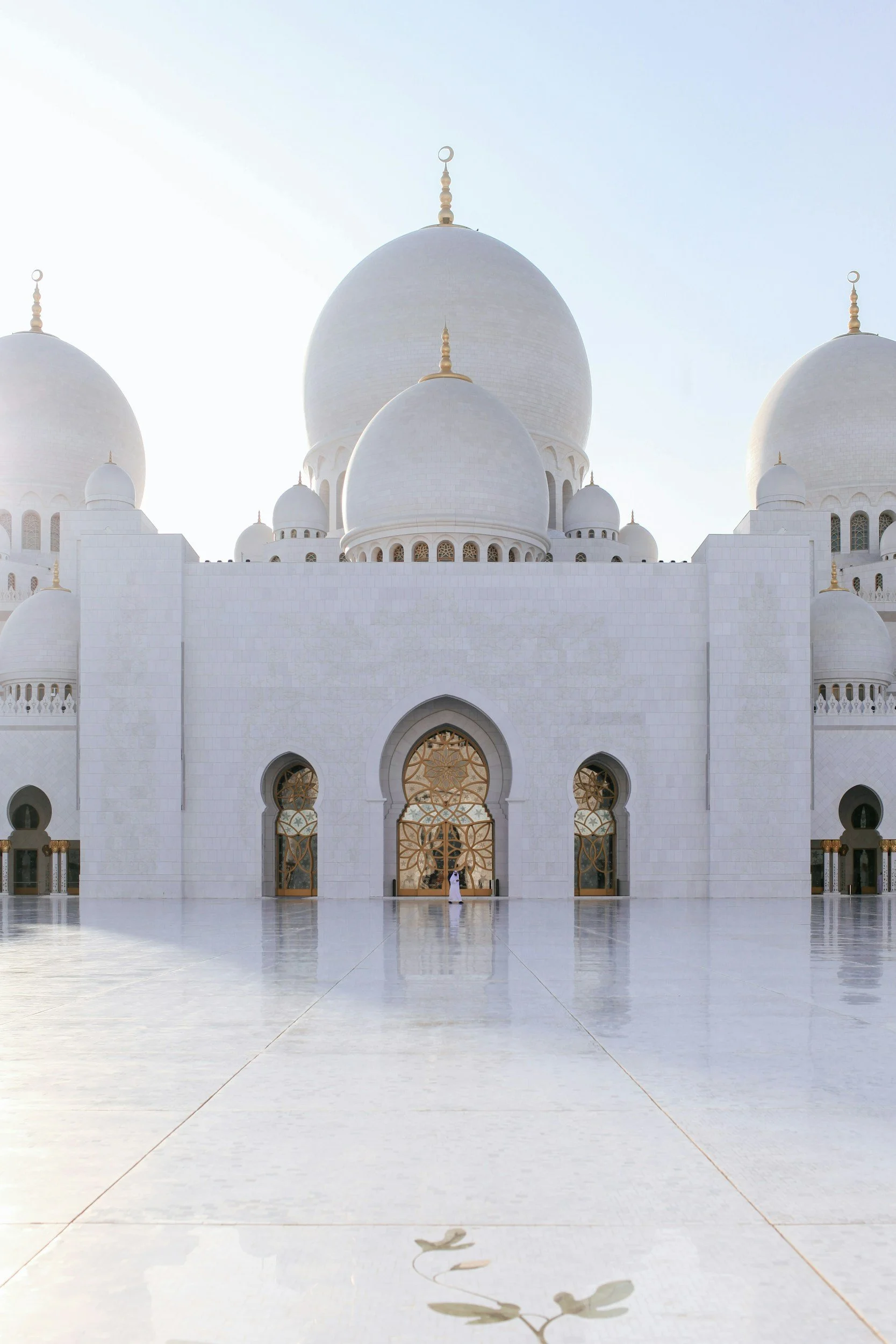
In time, what once felt heavy may begin to feel purposeful. What once felt confusing may begin to make sense. And what once felt like something being done to you may reveal itself as something being done for you.
Tests, in this light, begin to lose their harshness. They are no longer interruptions, but instruments. Not barriers, but bridges. And as you walk through them with gratitude and a heart that continues to turn back to Allah, you may find that they do not distance you from Him at all—but bring you closer than you have ever been before.